
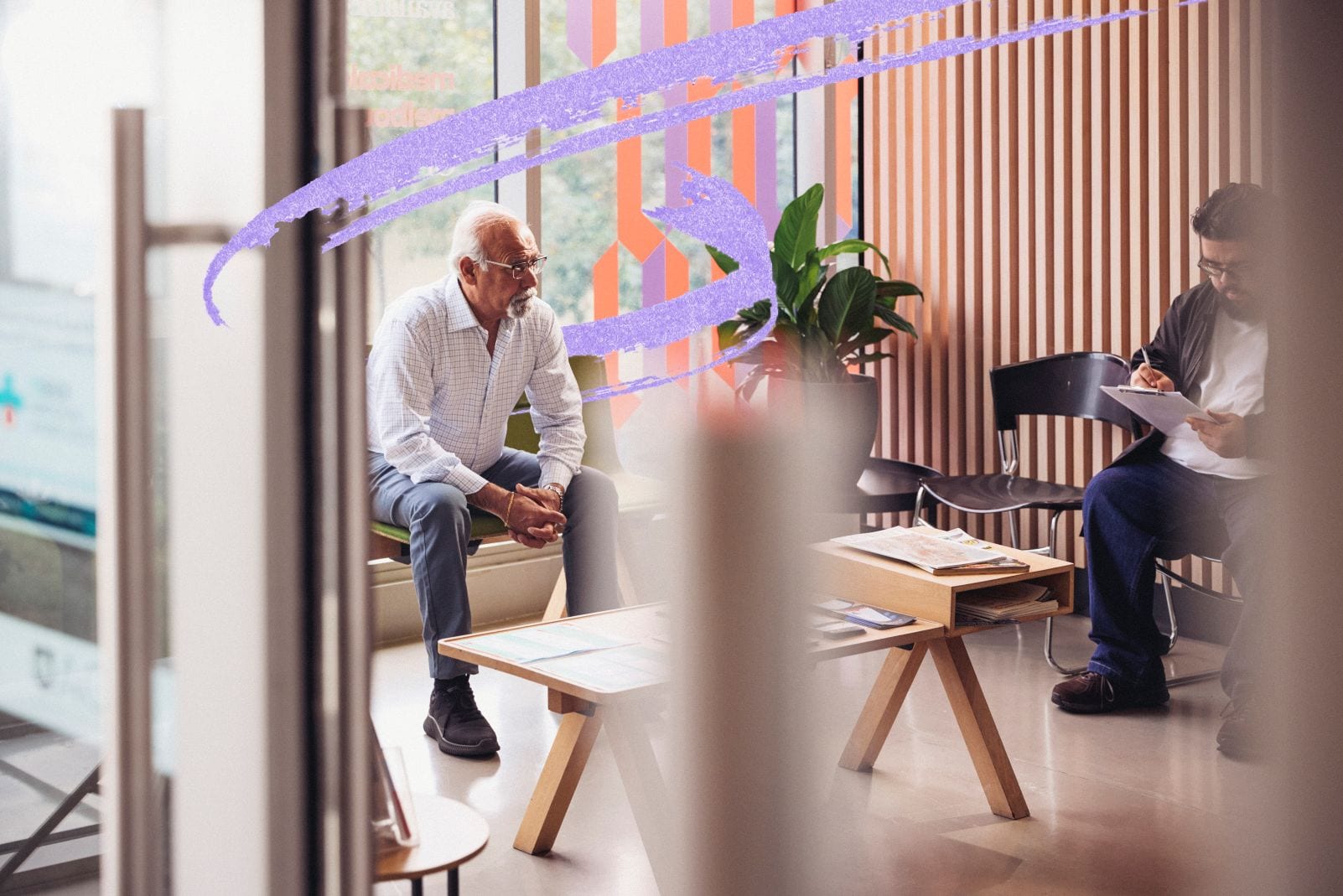
Men in Mind HCP
Men in Mind is an online training program built to help health professionals get the most out of every interaction with a male patient.
This course was written for general practitioners, so the examples assume a GP consultation. We are exploring a version for health and community roles. Full details in the FAQ.
How to navigate this course
Click each section below to see the button it refers to light up. Give it a try.
Frequently asked questions
Select any question to expand the answer.
Men in Mind was written for general practitioners. This edition is that same course with the accreditation and CPD certificate removed, so it is open to anyone working in men’s health.
What that means in practice: the videos, case examples and practical tools assume a GP consultation — a booked appointment, a clinical history, and the option to order tests or refer. The core of the course is about how masculinity shapes the way men seek help, communicate and engage, and that applies wherever you work. Some of the mechanics will not.
The course also refers to the men you work with as “patients” throughout, which will not match every setting.
We are exploring developing a version designed around health and community roles from the ground up. If something here does not fit your work, please tell us in the post course survey or contact learning@movember.com.
Part of Movember's work to change the face of men’s health, the course draws on leading research, the lived experience of men and primary care knowledge to unpack how masculinity shapes the way men seek help, communicate and engage in care.
The course is the first of its kind worldwide.
You'll get a record of completion at the end of the final module, which you can print, download or email to yourself. It confirms you finished the course.
It is not an accredited CPD certificate. This edition of the course is not accredited by any professional body, and your completion is not sent to a governing body or CPD register. If you need accredited CPD hours, there are separately accredited versions of Men in Mind for general practitioners, nurses and pharmacists.
Absolutely! We know you may need to have breaks or get interrupted. That said, leaving the module 'idle' for too long may result in problems with the course registering as completed and you will need to start again. All you need to do is exit the course by selecting the X in the top right-hand corner. This will save your place and pick up where you left off next time.
The full course is made up of 3 sections, which take approximately 2.5 hours in total to complete.
If you run into any problems, don't fret! Feel free to email learning@movember.com with a screenshot or description of the problem you're having and we'll do everything we can to help, as quickly as we can.
Just a pair of headphones if you want to listen to any of the video content with sound. All videos are captioned so you can listen without sound. The course can be completed on your laptop, desktop computer or even your phone.
Whenever you see a "MOUSTACHES LOVE RESEARCH" panel or a highlighted link, it contains a citation or external resource you can open to read more. This is entirely optional, and there's a full list of references and additional resources on the final screen for you to email or keep.
Absolutely not! Throughout the course you'll be given a heap of optional content including educational videos, external links, case studies and journal articles. None of these are mandatory.
We also reference our supporting evidence constantly, which you can review if you're interested. Consume the optional learning at your own pace, or not at all. Don't worry about saving content as you go — there's a library of all the resources at the end of the module.
This module is designed to work with standard screen readers, including JAWS, NVDA and VoiceOver. Interactive elements are keyboard navigable, videos have transcripts, and you can adjust the text size, switch to night mode, or turn on reduced motion using the settings (gear) button.
If you experience any accessibility issues, please contact learning@movember.com.
Acknowledgement of Country
This course was created in Melbourne, on the lands of the Wurundjeri Woi Wurrung people of the Kulin Nation, with input from practitioners, researchers and community experts across Australia.
Movember acknowledges the Traditional Custodians of Country throughout Australia and the many Countries on which this work was shaped. We recognise the continuing connection to land, waters, community and culture, and the enduring knowledge systems of health, healing and care. We pay our respect to Elders past and present, and extend that respect to all Aboriginal and Torres Strait Islander peoples today.
Men just like me are falling through the cracks of our health system.
The statistics are stark with two in five Australian men dying prematurely, resulting in a life expectancy four years younger than women.
Here's what matters most. These deaths are largely preventable, but prevention only works where men are engaged and motivated to change.
This course gives you the tools to do exactly that — to keep men in the system, getting the support they need.
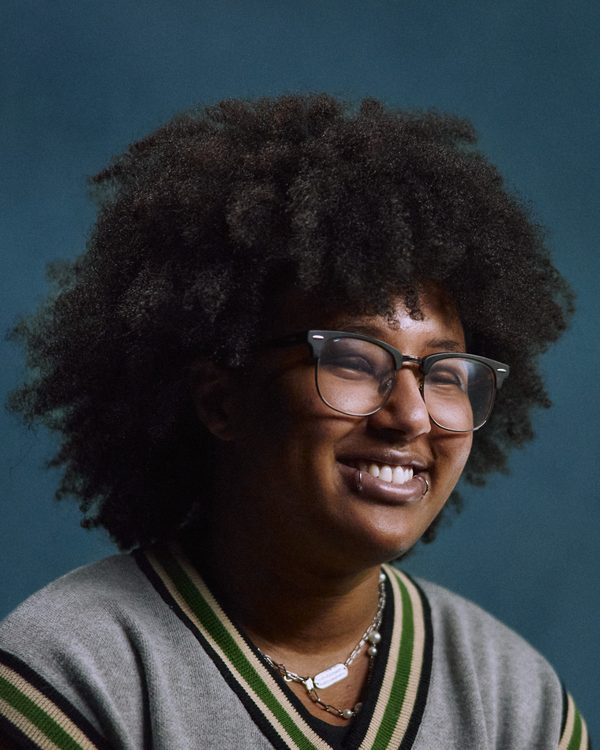
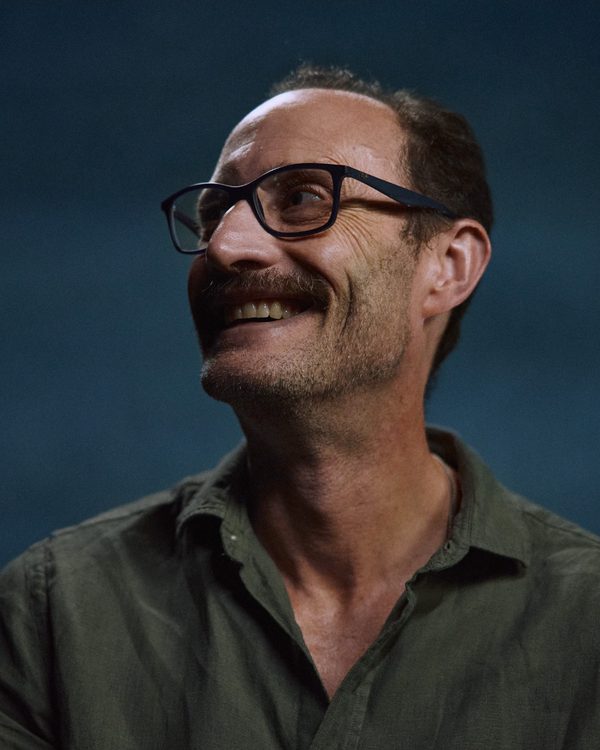
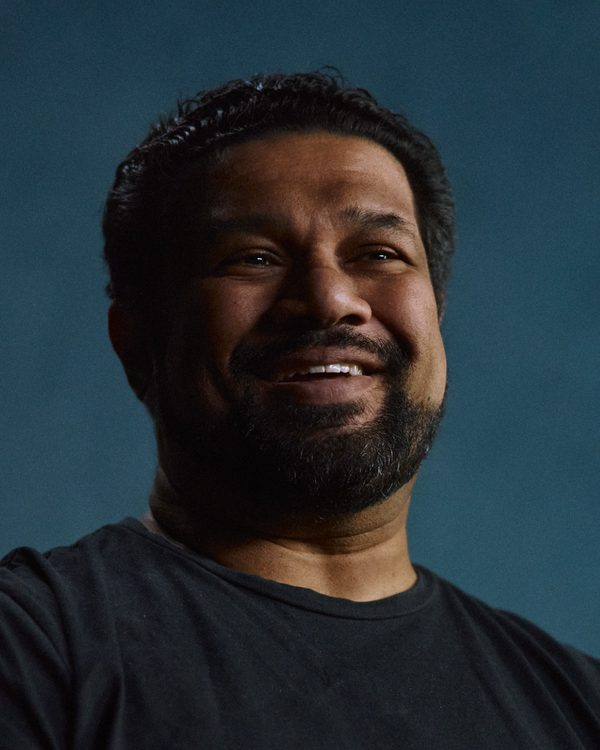
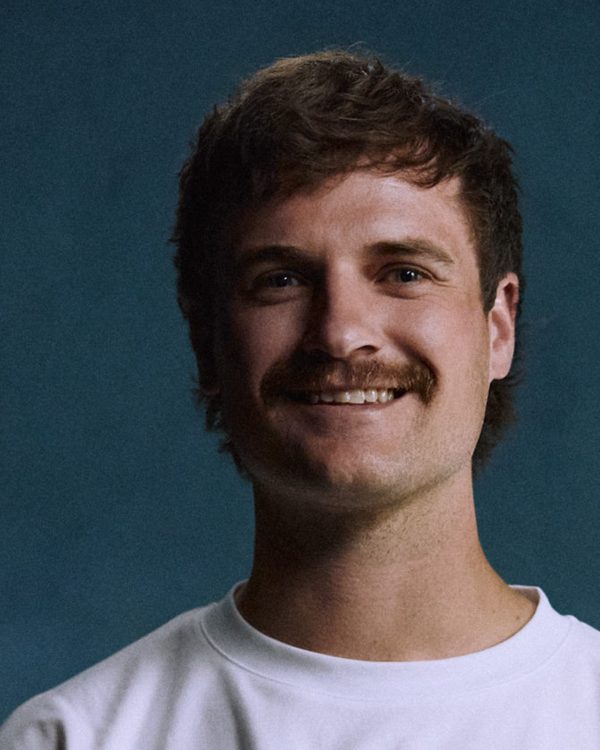


Learning outcomes
This course builds on the skills and experience you already bring to your practice, helping you apply them more effectively when working with male patients.
At the end of this course, you will be able to:
- Identify how your own gender socialisation and assumptions can shape clinical work with men.
- Outline how masculinities and life-stage transitions shape men's engagement with primary care.
- Describe a range of strengths-based communication and engagement approaches that work with rather than against masculine identity.
- Identify male-typical presentations of depression and suicidality, including somatic, externalising and behavioural indicators that may not align with standard diagnostic prototypes.
- Identify practical response strategies that complement existing clinical skills when working with men experiencing depression or suicidality.
Gender is a social determinant of health
Gender shapes health outcomes across the population. On average, men die before women, while women spend a greater proportion of their lives in ill health and disability. Trans and non-binary people experience disproportionately worse health outcomes than the general population. None of these things are acceptable
Our work at the Movember Institute focuses on improving health outcomes for men globally. That's why this course focuses on men. The evidence base for engaging male patients well has distinct features that are practical, learnable, and grounded in what we know about how masculinities shape healthcare encounters. It sits inside a broader movement for gender-responsive healthcare that acknowledges and addresses the different needs of women, men and non-binary people.

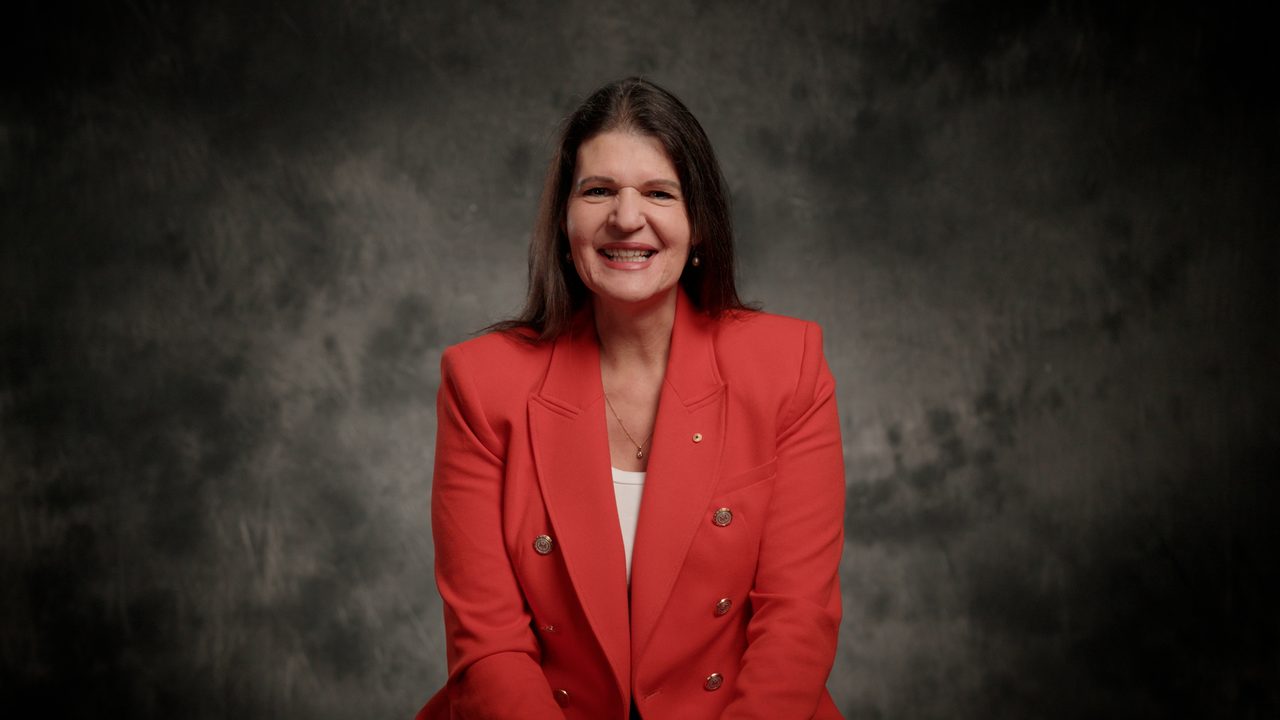
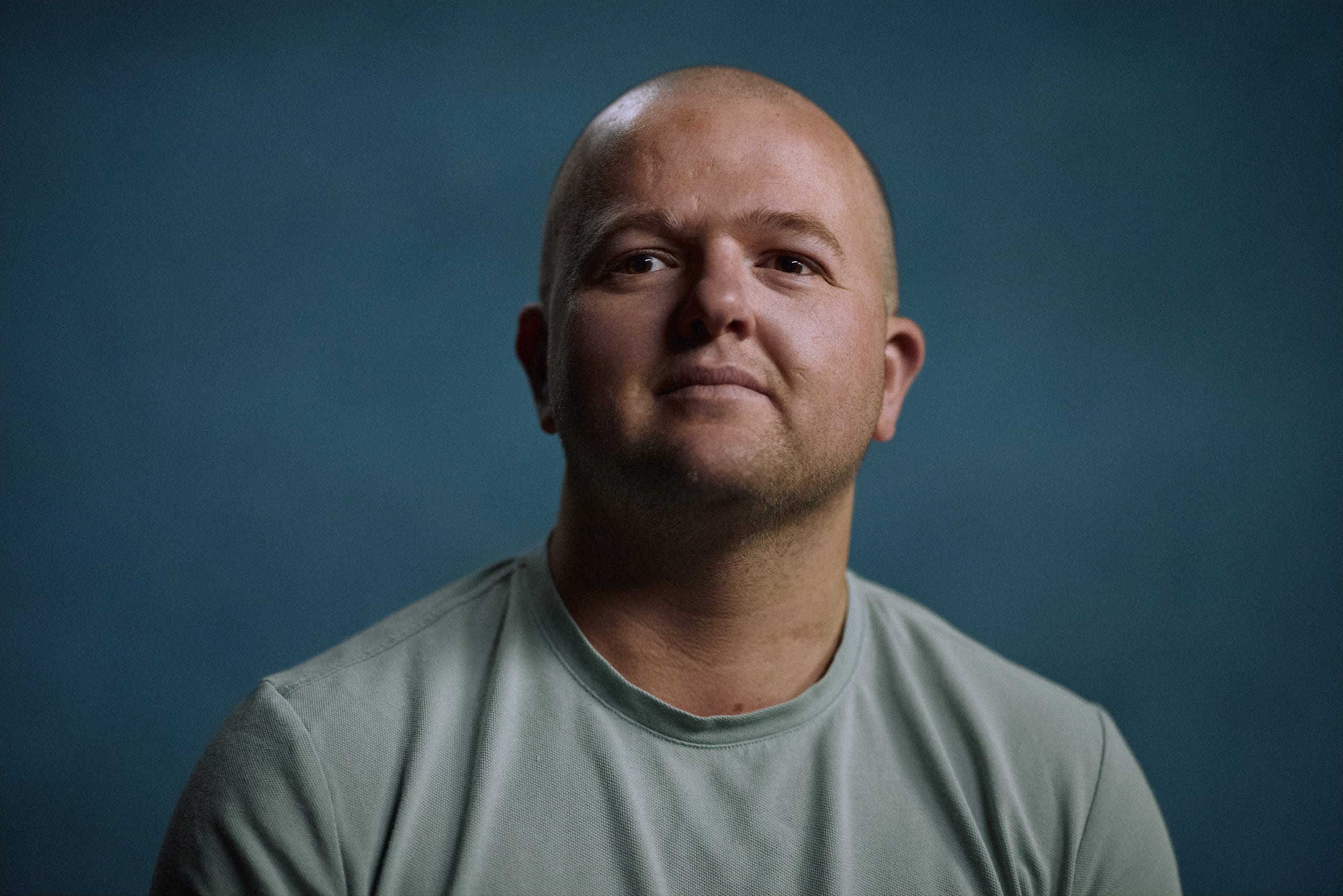
Dr. Tim Jones
The fact that there's a gender imbalance is something that just shouldn't be there. There's no reason in 2026 that there should be any difference between the genders in terms of the quality and length of someone's life.
Over my decade, men are better at coming in earlier and talking a bit more openly. There's less of the cliched stereotypes. There's a lot more ownership of their own health.
Prof. Magdalena Simonis
What we've learned with women's health is that we know that women present with, say, heart attack symptoms or ischemic heart disease symptoms very differently to men. So women have been more likely to die of a heart attack than a man if they present to ED. Likewise, a man is less likely to have his mental health needs addressed, and they're less likely to have their chronic disease precursors and risk factors addressed because they're not going to see the doctor that often. Because firstly, they don't feel they've got a relationship with the doctor. So that's really important.
I think the notion that they are unhealthier because they choose to be is wrong. They are less healthy and die younger because they don't feel they've got a relationship with the doctor, and that is something that we need to work at.
Dr. Tim Jones
There's been a history of a discourse in medical training that men are hard to talk to. They don't open up. They stonewall. If we ask them to come back, they don't come back. And that's been a shifting of responsibility. It's almost patient blaming that if they're not engaging with us, they must have the problem.
But what I've found is that the best GPs I ever work with have always just treated it as a relationship rather than seeing it as a collection of problems that need a solution or a direction you've got to point them in. And what I'm noticing is that those GPs have men who keep coming back, and they come back reliably and predictably, and they get better.
We've just got to really recognise that, same as we take certain approaches to care of other really vulnerable populations — care of people who are homeless, for example — we have to adopt a certain way of working when we're engaging with men if we want to get really good outcomes.
The opportunity is now
Getting men through the door is only the first step. What happens next, inside the consultation, is the real frontier of men's health.
Two in five Australian men die prematurely, before they turn 75.
That's more than 37,000 Australian men every year, most from largely preventable conditions (AIHW, 2023).
They're already showing up
Men are engaging with the healthcare system. Almost 8 in 10 (79%) Australian men aged 15 and over visited a GP in the previous 12 months (AIHW, 2023). Most will access a healthcare service or present with a concern at some point in their lives.

But despite this contact, outcomes remain consistently poorer across a range of preventable conditions. In 2023, more than half of all deaths in Australian males under 75 were potentially avoidable. Suicide was the second-leading cause, behind coronary heart disease (AIHW, 2024). Most men who die by suicide are already connecting with the healthcare system.
Between 2010 and 2017, 79% of Australian males who died by suicide used a Medicare-funded service in their last year of life (AIHW, 2024). The suicide rate for males living in remote and very remote Australia in 2021-2024 was more than double the rate for males living in major cities (ABS, 2025).
This points to a gap that goes beyond access alone.
Some of what closes that gap sits outside the consultation, in the social, cultural and policy factors that shape men's health. But what happens inside the consultation also carries significant weight. It's where risk can be identified, where trust can be built and where future engagement is shaped.
When a consultation works, it opens the door to early intervention and ongoing care. When it falls short, men are less likely to return and more likely to present later with more complex needs. The downstream costs are significant.
- Three in four suicide deaths in Australia are men (ABS, 2025).
- In Australia, an average of six men die by suicide every day (ABS, 2025).
- Each suicide has a ripple effect impacting on average 135 people directly (Cerel et al., 2019).
The opportunity is now
The conversation about men's health is shifting. Fast.
For years the burden has been on men to show up, speak up, seek help. The evidence is making it clear that doesn't work. The real leverage sits with clinicians who think differently. You're one of them.
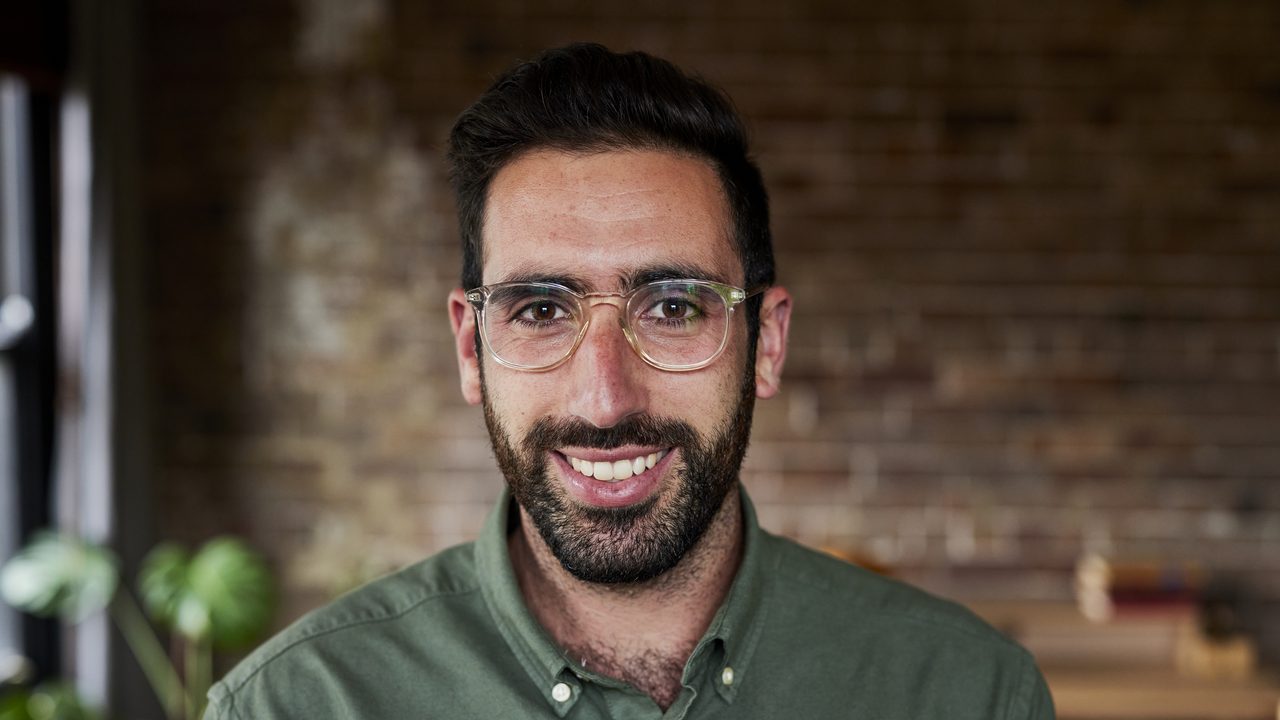
Dr Zac Seidler
Hi, I'm Zac Seidler, clinical psychologist and the Global Director of Men's Health Research at Movember. I've dedicated my academic and professional career to understanding men's mental health and masculinity and the role they play in health outcomes across the globe.
Despite the old adage that men don't seek help, we know that most men will interact with the healthcare system at some point. But what we've learned over the years is that this contact doesn't always translate into better outcomes.
Many men care deeply about their health, but they don't always engage with healthcare in ways our systems expect. When this happens, important opportunities to detect issues early, start treatment, or stay connected to care can be missed.
This course is designed to help us better understand why this happens — and what we can do about it. We'll do that by looking at three things.
First, how expectations around being a man develop over the life course, and how these ideas can shape the way many men approach their health.
Then, what we can do about it in everyday practice — evidence-based strategies you can draw on straight away to strengthen engagement and support better outcomes for men and boys in your care.
And finally, how all of this plays out in men's mental health — an area where the stakes are high, and where distress can hide in plain sight.
The course draws on our leading research from the Movember Institute, alongside lived experiences shared by men and healthcare professionals.
The evidence is clear: a single clinical encounter can shape a man's relationship with healthcare for years. Let's make the most of it.
The plan
This course is divided into three parts.

- Part 1: Reframing masculinity
What shapes the way men think about health and help-seeking, and why it can impact your practice. - Part 2: Meet him where he's at
Strengths-based, evidence-informed strategies for improving engagement with male patients, including the MALE framework. - Part 3: Hiding in plain sight
How anxiety, depression and suicide can present differently in men and how to identify and respond to presentations that standard screening tools often miss.
Ready? Let's start with Part 1: Reframing masculinity.

I went feeling vulnerable. I left feeling empowered.
Brad, 44
Part 1: Reframing masculinity
1.1 A backpack of bricks
Being a man comes with a set of unspoken rules: about what to do, how to feel, when to ask for help and when to push through.
They don't appear out of nowhere. They develop over time, shaped by family, peers, culture and media. To begin, it can be helpful to introduce a simple way of understanding how these influences develop over time. One way to think about this is to imagine masculinity as a backpack.
Dr Zac Seidler
To understand how cultural and societal expectations shape men's behaviour, it can be useful to think about masculinity as a backpack. Every man is handed one at birth and carries it through life.
Inside each man's backpack are different configurations of bricks — and each brick represents an expectation or understanding about what it means to be a man. Those messages aren't inherently good or bad. Some will serve him well. Others can make life harder. Most of them are useful sometimes and restrictive at others, but nonetheless, most guys carry these bricks, often unaware, into all situations.
Across the lifespan, men are handed these bricks through everyday experiences with family, friends, school, work, media and culture. Sometimes the man knows the brick is being placed in their backpack, but often they don't. Let's look at a few examples.
Imagine a young boy who falls over and starts to cry. His father quickly tells him to "don't cry mate, you'll be alright." In that moment, the boy receives a message that men shouldn't show emotion. The brick he picks up might be that masculinity is synonymous with stoicism, resilience, or self-reliance. That's one brick in the backpack.
Now imagine a teenager who constantly sees messages online suggesting that successful men are fit, ripped, rich, and always in control. Here, he may pick up a brick about dominance, being a lone wolf, or the alpha in the room. Another brick goes into the backpack.
Sometimes the messages are more subtle. Imagine a young boy choosing a pink toy from the toy store. The adults around him switch it for a blue one. In that moment, he may pick up a brick about what boys should not be — reinforcing ideas about masculinity, femininity, and belonging.
This is clearly a simplified way of thinking about masculinity. These "bricks" aren't formed through single experiences but rather through multiple interactions that all reinforce a single expectation. Over time, this builds something much bigger.
Because when men walk into healthcare settings, they bring more than just symptoms or concerns. They bring a lifetime of experiences, expectations and pressures about what it means to be a man that all play out in front of you. Those experiences can shape how comfortable someone feels asking for help, talking about their concerns, or accepting support.
Keeping that in mind can help us make better sense of what's happening in the interaction and respond more thoughtfully. Because when a man seems guarded, brief, unsure or reluctant to go further, it's unlikely to be that he has a lack of interest in care. Instead, it likely reflects the messages he has carried for years about coping, control, emotions and what it means to be a man. Our role is to understand what he may be carrying and work with it to support him.
These bricks don't appear from nowhere
They're handed to men through a lifelong process called gender socialisation — and they reflect a remarkably consistent set of expectations researchers call 'traditional masculine norms'.
These typically include expectations of:
Select each brick to learn more.
Pick up a brick
Select any expectation on the right to learn more.
Think about the men you work with and the unique challenges they face in the rural and remote setting. How might the environment add to the weight of the 'bricks' in their backpack?

Masculinities unpacked
It's worth being clear about what masculinities actually are, because the concept is sometimes misread as a criticism of men.
Masculinities — the plural is deliberate — are socially constructed, not biologically fixed.
They're shaped by culture, context and time, which means they vary enormously across communities, generations and individuals. They're not only performed by men, and they're not inherently harmful or toxic. The same brick that teaches a boy to push through pain might serve him well in some contexts and cost him dearly in others. Some men are comfortable with these expectations; others find them oppressive.
The point isn't to throw masculinity out. Being a man, and the messages many men have learnt throughout their development, are identity touchpoints. It's more about better understanding where they come from and recognising their potential to help or harm.
Think of a time you felt pressure to behave (or not behave) a certain way because of your gender. Where did that pressure come from? What were the anticipated consequences of acting against expectations?
What's also important to understand is that masculinities exist in relation to each other. There's always a version treated as the 'right' kind of man in a given context, and others ranked below it or pushed to the margins.
This is why the backpack looks different depending on where a man grew up and what he learned, explicitly or implicitly, about which version of masculinity would earn him respect.
Context changes everything
Think about a man crying. At a grand final when their team wins, it's accepted, expected in some cases. In a GP consultation, that same man may feel profound shame, or sense he is being judged. The behaviour is identical. What's changed is the surrounding context.
Write a short list of situations where men you know often feel comfortable to show their emotions (such as male athletes after a big win).
Write a short list of situations where men you know might be uncomfortable showing their emotions. What is different about these situations and why?
Modern masculinities
These norms aren't fixed.
The majority of men today hold views that are more flexible than in the past, but many still assume that society expects them to embody the traditional masculine stereotype. This gap between what men believe privately and what they think is expected publicly can itself become a barrier. Men end up performing a version of masculinity they don't fully believe in, because they assume everyone else does.
In the rural and regional settings, clinicians hold 'dual roles' as both doctor and neighbour. Is that likely to make your clinic feel more 'public' or 'private'? And how could that impact the way he engages with you?
It's never just gender
Masculinities don't operate in isolation.
They interact with race, class, sexuality, disability, immigration history and other social positions to produce compounding effects on health. The same norm can land very differently depending on the broader context of a man's life.
For Aboriginal and Torres Strait Islander peoples, culture is a protective factor, and connection to Country, family, kinship and community, cultural identity and self-determination are all sources of strength, resilience and wellbeing. First Nation's men can also hold a layered identity with Western health concepts alongside Aboriginal cultural frameworks and connection to family, community and country. At the same time, Aboriginal and Torres Strait Islander men face the worst health outcomes of any group in Australia, shaped by the intersection of gendered norms, structural racism, historical dispossession and geographic disadvantage.
Men from culturally and linguistically diverse backgrounds may face cultural values that compound masculine barriers to help-seeking. Research shows that in some communities, admitting the need for help is experienced as "losing face" or "weakness," with help-seeking seen as culturally foreign.
Rural and regional men face a double barrier: stoicism has been shown to increase with distance from metropolitan areas, compounded by limited service availability, long travel times and high out-of-pocket costs.
There's also the loss of anonymity: in a small town the clinic is rarely private the way it is in a city, and for a man weighing whether to walk in, being seen can be a barrier in its own right.
Men in high-disadvantage areas are significantly more likely to experience barriers to healthcare than those in low-disadvantage areas.
Gay, bisexual and queer men often experience healthcare as heteronormative, with clinicians defaulting to assumptions of heterosexuality and overlooking their specific concerns. For some men, this means key parts of their life and health don't make it into the clinical picture.
Avoid assuming that the same approach will work for every man. Ask what matters to him, who he would like involved and what support would feel appropriate in his cultural, family and community context.
The man sitting across from you is never just 'a man.' He is a man shaped by the intersection of his gender with everything else that has defined his life.
Just a starting point
This course grounds you in the fundamentals of masculinity — the norms and patterns that show up across most men's lives, and where we can shift outcomes for the most patients. The previous examples point to how those norms intersect with culture, sexuality, disability, age and other identities. Treat them as a starting point, not a deep dive. Gender is one lens; a powerful one, but never the only one.
I think I got it from my dad where it's like, it's fine. I mean you're not crying are you?
Kai, 23
1.2 Not one man, but many
Masculinities don't express themselves uniformly across a man's life.
The pressures that shape a 22-year-old's reluctance to disclose look different from those weighing on a 55-year-old and different again for a man in his 70s. The expectations each grew up with were different too. Treat traditional norms as a starting point for understanding the man in front of you, rather than a default to apply across the board.
Let's explore how these pressures show up — and shift — at different life stages, and what that means for the consultation.
Select each life stage to reveal more.
Adolescence and early adulthood are when masculine identity is most actively constructed and tested, often under intense peer scrutiny. For many young men, help-seeking conflicts directly with this identity-development project; attending a GP or mental health service can feel like an admission of failure rather than a rational or routine health decision.
Around one in three men under 35 have no preferred GP.
Early negative healthcare interactions can shape patterns of disengagement that persist for decades.
Conversely, practitioners who respond with clarity and respect during this period can build trust that compounds over time.
Young men's help-seeking is often initiated by someone else. A parent, partner, mate, or family member pushes him to book or might come along to the appointment. He's in the room because someone else thought he should be, not because he decided he needed to be.
That changes what the consultation has to do. A young man who didn't choose to be there is more likely to:
- disclose less than he otherwise would
- disengage from any plan you make
- not come back on his own
The quality of this first encounter matters more than usual. If the consultation orients to the parent or partner, or treats the young man as a passive recipient, the chance to build a direct relationship with him is lost. That direct relationship is what supports him coming back on his own next time, and shapes how he engages with healthcare across his life.
For many men in midlife, identity is anchored in the roles of provider, partner and parent. The normative expectation to prioritise work and family over personal health is most pronounced here.
Across the working years, around one in four Australian men delay or avoid seeing a GP when they need to, and the rate barely moves between a man's mid-20s and his mid-50s.
Source: Australian Bureau of Statistics. (2025). Patient experiences in Australia 2024–25.
This is also the period when the cumulative health burden of earlier under-engagement begins to surface. Chronic conditions, cardiovascular risk and mental health deterioration tend to present in a more advanced state than they would in a population with more proactive care-seeking behaviour.
Big life transitions can also create openings. Fatherhood provides a strong example. In a 2026 Movember survey of more than 1,200 Australian fathers, 44% reported attending a health check-up since becoming a dad that they might otherwise have skipped. Three quarters said fatherhood had sharpened their focus on both physical and mental health. Other transitions — moving in with a partner, losing a parent — can shift the relationship with care in similar ways, though each with their own pressures attached.
Older men present a distinct clinical profile.
The norms of stoicism and self-reliance that felt purposeful in earlier life can become entrenched through decades of reinforcement, making new or escalating symptoms harder to disclose.
The loss of work-based identity at retirement, combined with reduced social contact and increasing risk of isolation, creates a vulnerability the patient himself is unlikely to name.
Close to one in five Australian males report social isolation. Widowhood compounds this further. Most people who outlive their spouse are women, which means support networks around bereavement — peer groups, community structures, informal care — have largely been built around women. Older men who do outlive their spouses are a smaller, less-visible group, and often face that loss without the social infrastructure that might otherwise carry them through.
The stakes are high. Older men experience the highest rates of suicide of any age group. The intersection of health decline, identity disruption and social disconnection makes this a critical window for practitioner attention.
Reflect on three men in your life or your practice. One young, one middle-aged and one older male.
What are some of the unique age-related masculine pressures each of them felt? How might these have interacted with their healthcare journey?
I kept going with my mum. That's just what you do. My mum knows my health better than I do. But you get to a point where it's time to have a doctor that I see for my own issues.
Azhaan, 23
1.3 Flying blind
Masculinities don't just shape help-seeking. They shape men's willingness and ability to engage with their own health information.
The result is a structural disadvantage that is easy to overlook: many men arrive at general practice without the health literacy foundations most women built in adolescence.
The health literacy gap
Women's relationships with healthcare tend to be established early, built around reproductive and sexual health needs, and reinforced through repeated contact across their teens and twenties, and modelled by the women around them. That contact builds confidence, familiarity and navigational capacity.
Most men reach adulthood without that scaffolding. There is no equivalent socially normalised reason for young men to present to a GP, follow up a referral or learn how the system works for them.
The gap is measurable. Men consistently demonstrate lower health literacy than women across multiple dimensions, including the ability to find, interpret and act on health information. The more male-dominated an occupational group, the lower health literacy scores tend to be.
The consequences are clinically significant.
- Lower uptake of preventive care and screening
- More presentations to emergency departments
- Higher mortality rates and greater care costs
- More frequent presentation with advanced illness
The double bind
Health literacy gaps don't operate in isolation.
Rigid adherence to self-reliance and stoicism actively stifles health literacy. A man who has internalised the expectation not to acknowledge vulnerability is also unlikely to admit he doesn't understand what a test is screening for, or at what point a symptom warrants a conversation rather than a wait. The literacy gap and the normative gap reinforce each other, quietly and over years.
This is also intergenerational. Structural barriers — workplaces that stigmatise men's absences for caring duties, for example — mean fathers are less likely to take a son to the GP, reducing the chance that health engagement is ever modelled or normalised.
When a male patient comes in late, says little and asks no questions, it is worth asking: is this disinterest, or is this someone who was never taught how to do this?
Hear it from him, let's meet Brad
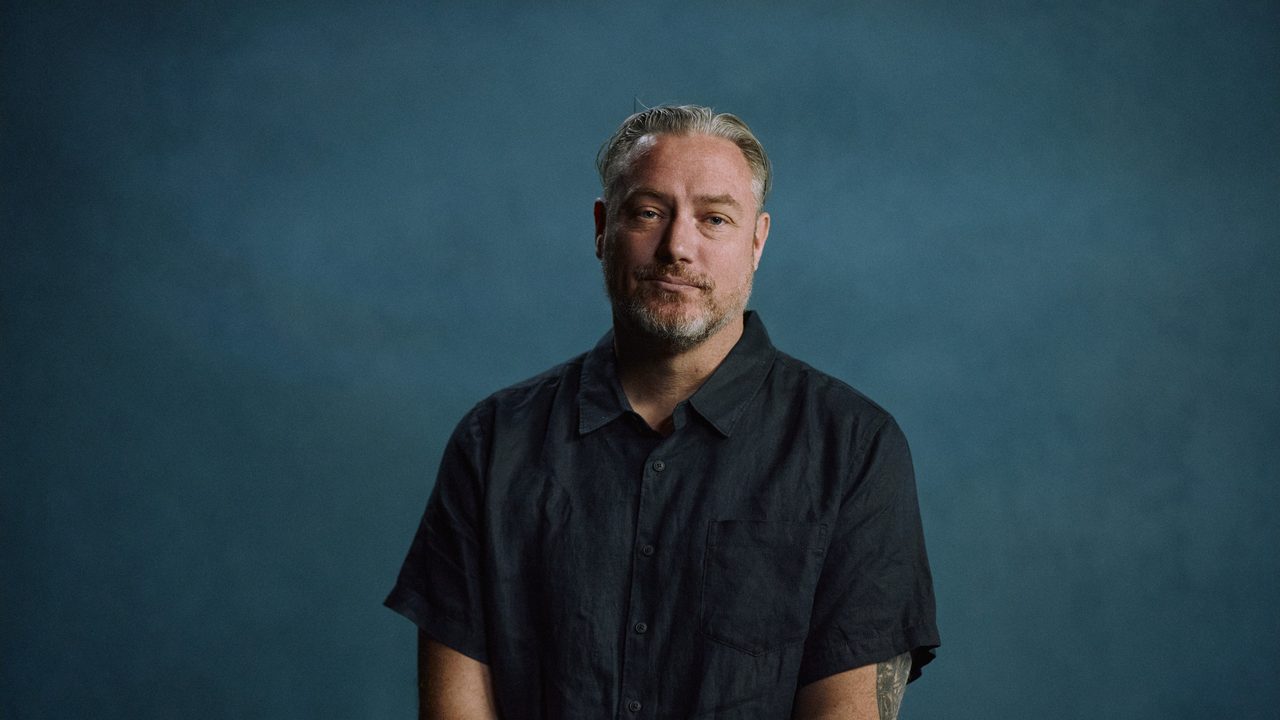
Brad
So, I was raised believing that as a masculine man, I had to tough it out. I had to do it alone. I had to do it in silence because that was strength.
My ex-wife was a nurse. She defaulted as the health professional. For those 14 years married, she was my advocate. She would act as not only my advocate to the doctor, but also would translate what the doctor was saying back to me — and would essentially make those health decisions for me.
After the divorce, I lost that advocate. I didn't have that training. I wasn't a nurse, I wasn't a doctor. I didn't speak the same language. I was a bloke in an enforcement role. I didn't have words for other than — I don't feel right, there's a pain in my knee. It was simple, basic language, and it didn't allow me to communicate or to advocate for myself.
And the doctors I was encountering at the time weren't curious enough to overcome that language barrier. There was a disconnect between what I was saying and what they were saying, and that didn't lead to good outcomes. So, I was either disenfranchised with the medical professional and I would go away until the symptoms would become worse. Minor ailments would become major ailments. I missed the opportunity to prevent worsening of conditions.
Having the ability to accurately describe what's going on in your body, be it physical, be it emotional, it allows you the opportunity to engage early and get help.
I've invested that time. I've overcome that uncomfortable, that awkward sense of not knowing and now I'm comfortable to walk into any doctor's situation, any nurse. Fight for my rights at the pharmacy.
1.4 Boys don't cry
There's a temptation to frame men's health through a single story: men don't seek help. It's not wrong, but it's incomplete.
Barriers to men's health operate at three distinct points.
- The first is access — getting a man through the door.
- The second is engagement — what happens once he's there.
- The third is retention – keeping them coming back when they need it.
These are different problems that require different responses.

Getting through the door
On access: yes, masculinities such as stoicism, self-reliance, emotional restriction do influence whether and when men seek care.
Adherence to traditional masculine norms acts as what Good and Wood (1995) called a 'double jeopardy': simultaneously increasing the likelihood of experiencing distress and maintaining negative attitudes toward seeking help. For some men, the internal cost of presenting at all is extreme.
“For some men, the feelings associated with being vulnerable are more anxiety-provoking than the thought of being dead.”
When a man does walk through the door, he has often already cleared a significant internal barrier. That effort itself is a form of clinical data and deserves to be read as such.
Staying in the room
Many men who make contact are being lost.
Two in three Australian men report that gender stereotypes have affected their health behaviours and experiences in healthcare settings (Movember, 2024). Research consistently identifies the absence of warmth and personal connection as the primary driver of male disengagement, more so than cost, logistics or stigma.
This is where masculinities become most clinically relevant: not as an explanation for why men don't show up, but as a lens for understanding what happens when they do.
"You're not treated as delicately, I guess. You're a tough guy. You can deal with it."
Evan, 52 years, Research participant
Getting him back

Even when access works and engagement holds, retention is its own thing.
of Australian men have left a healthcare practitioner — or wanted to. Mostly because they didn't feel a personal connection.
A man who leaves a consultation feeling like the system isn't built for him, that he isn't fully understood as a man, or that he had to translate himself to be heard, is less likely to come back when he needs to.
1.5 What's in your backpack?

So far, this module has focused on the men in your consulting room. What they carry. How it shapes what they say, what they don't say, and whether they come back. But there's a second backpack in the room, and it belongs to you.
Every practitioner brings their own accumulated set of beliefs, assumptions and expectations about the people they treat. Some of these are conscious and easily examined. Many are not. They were picked up the same way all beliefs are: through family, culture, training, experience and the social world you grew up in. Gender is one of the most pervasive of these influences, and because it is so ambient, it tends to be one of the hardest to see clearly in yourself.
This isn't a criticism. It's also not unique to any particular type of practitioner. The research is consistent: exposure to cultural norms shapes automatic judgement, and no one is exempt from that process. The question isn't whether you hold gender-related assumptions. It's which ones, and where they show up.
Take a moment before reading on. Reflect on yourself, and your own gender development. This exercise is known as a 'gender role analysis'. Use the questions below as a guide:
- What defined your early ideas of your gender and who influenced it?
- What defines your gender now?
- Over time, what have you come to accept or reject about your gender role?
Prof. Magdalena Simonis
We've always talked about that conscious and unconscious bias in women's health. So I'm very aware of that in women's health as a woman doctor, having worked in the gender equity space for a very long time. But there's also unconscious bias towards men in the health profession, and that is that expectation that they don't feel things the way we do, or they don't hurt as much as we do, or they don't fear as much as we do. And that kind of perception that men are braver or they're tougher, and boys from boyhood have to be tough.
That perception, I think, permeates and has permeated society at all levels. So then showing any sign of vulnerability from a male perspective, they feel like they're showing weakness rather than showing themselves and showing their human side. That's human. It's not weakness. And getting that message embedded in the health system so that we consciously think further and deeper, like, "Okay, he looks okay. He looks pretty happy. He's a strong bloke." But ask those questions, ask a couple more questions, and you might find that that person is actually brimming with tears under that facade, and it's so important that they have the opportunity to share that with someone, and to be able to be themselves rather than put on that mask all the time. I find that men feel they have to wear a mask.
Dr. Tim Jones
One of the greatest pressures I see is the identity pressure. That feeling that they are trying their hardest despite whatever bricks in the backpack they have, whatever kind of hard stuff they've picked up along the way, but they don't necessarily know that it's valued or appreciated. And to me, there is a silent suffering in men, that idea that they're constantly duck feet paddling, trying to look really calm on the surface, but in their workplaces, in their homes, in their social engagements, they're always wondering if what they're doing is right.
Some of the things that we as doctors would often consider the strengths of men, that they are resilient, that they are adaptable, that they're tenacious, but almost men seeing those in a negative light, that that means that they're playing up to that old stereotype of a man as a kind of a hard-nosed, blunt, emotionally distant individual. And helping men see that there's actually more nuance to it than that. You can have really positive elements without the negative associations is a key thing that I'm always using in the course to try and land on with patients.
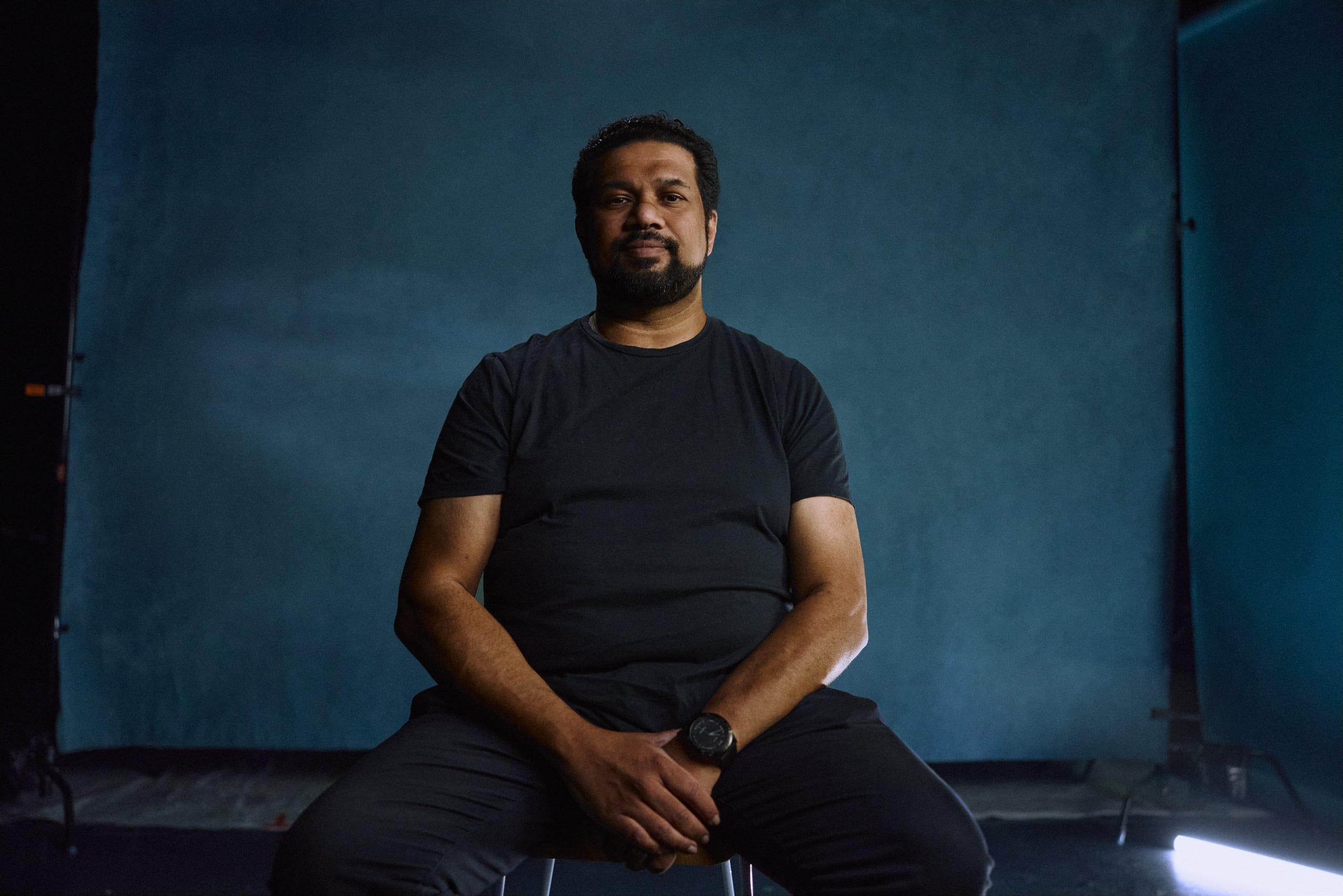
I've got a problem, I'm coming to you for help and all that you are doing is assuming that I've caused this problem.
Kenneth, 47
1.6 Clash of the bricks
A male patient's gender socialisation doesn't operate in isolation in the consulting room. It meets yours.
The interaction between the two is where bias tends to take shape, and where the most clinically significant moments can either open up or quietly close down.
What the research tells us is that a practitioner's own relationship with gender — their expectations, their defaults, their sense of what's normal — shapes how they interpret, respond to and engage with what a male patient brings. It doesn't require conscious prejudice. It operates through assumption, through what feels normal, through what goes unquestioned. When two backpacks meet in the consulting room, what each person sees is filtered through what they're already carrying.
Consider a few examples of how this might look in practice.
These are not dramatic failures. They are the ordinary texture of how gender assumptions operate in clinical practice: quick, plausible, often invisible. The risk isn't that they are malicious. It's that they can cause a practitioner to overlook behaviours as simply 'the way men are', when the reality is more complex and more clinically relevant.
Dane's story
People didn't really realise how sick he was. He could not get out of bed. He was almost just in so much pain, and Mum and I literally had to carry him to the car.
The doctor was like, "You've got gastritis. Here's some medication. Go home, you'll be fine." And we were like, but what causes this? And he was like, "Oh, we see this in alcoholics, drug addicts and anorexics. You are clearly not a drug addict or an alcoholic, and you're not a teenage girl, so you're not going to have anorexia. And to be honest, I wish I was as fit as you were."
The energy would shift when Dane would come in the room. He had this really addictive charisma that you just knew was going to make you happy as well. He was the jokester, the prank star — but also the one you could have such an easy heart to heart with. Him and I were like a year apart. It was more of a partnership. He was a playful person.
And then he was admitted to hospital with a heart condition. My parents were like, well, okay, so what's the diagnosis? Oh, it's anorexia nervosa. Sorry — we just didn't realise. And we were like, but every other GP and health professional we've taken him to has said that it's not possible because he's a boy.
How do you turn around and say that five GPs are wrong?
Dane's story is a short excerpt from a documentary by filmmaker Jason Christou.
Twenty-five years ago, Jason lost himself to an eating disorder. When the arrival of his son forced him to confront ideas around his own body image, he resolved to reckon with his past so his son would not suffer the same fate. In the process, he found he was not alone. The documentary explores the experiences of male survivors, using raw interviews and animation drawn from Jason's art therapy journey.
To learn more about the documentary or to support the project, visit the website.
Think of a male patient whose presentation didn't match what you expected. What assumption had you made going in? What did the gap between that assumption and reality tell you?
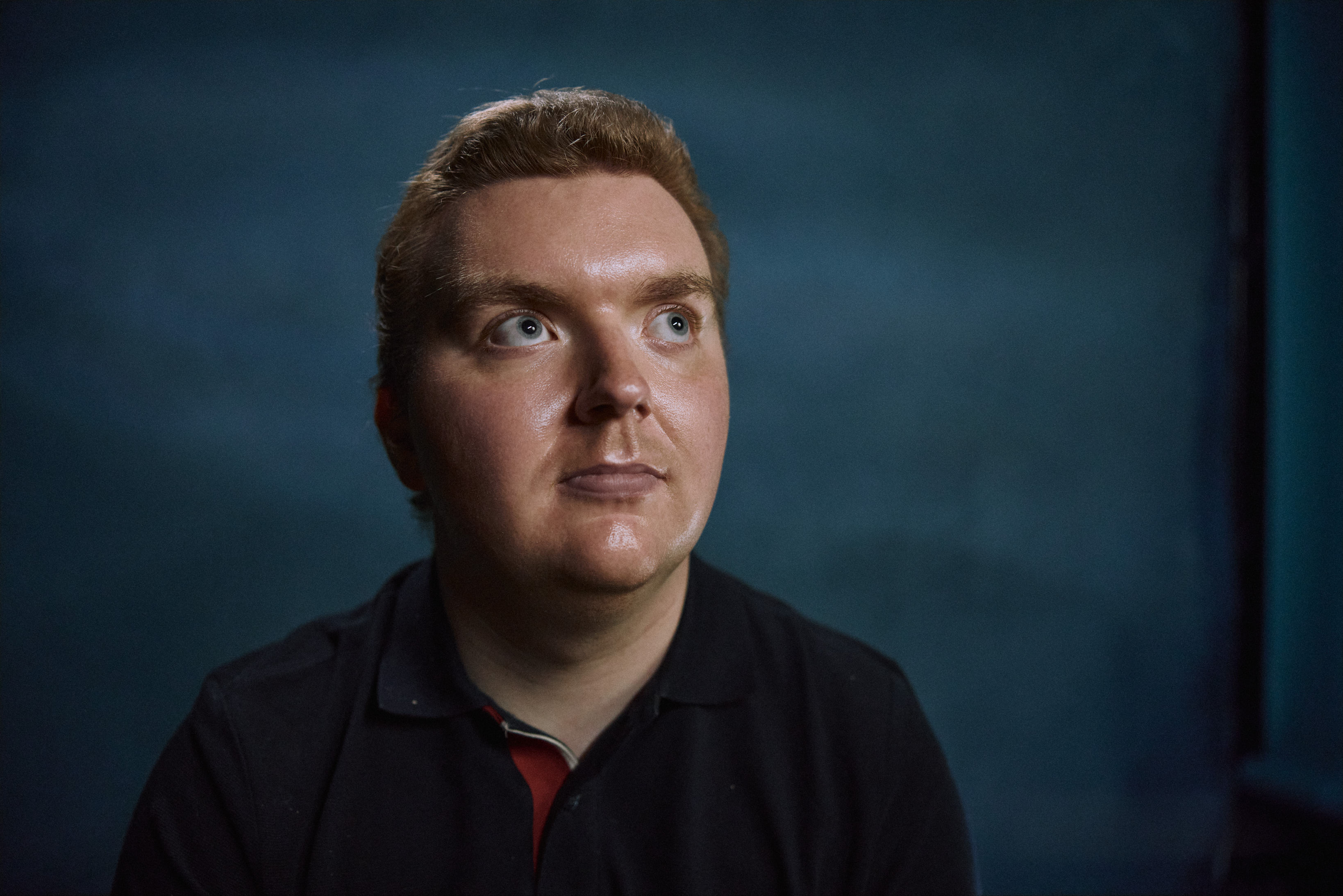
Day one, I felt like okay, things can really change. I feel confident in the future.
William, 22
What now?
You've reached the end of Part 1: Reframing Masculinity.

You've explored how masculinities are formed, reinforced and carried across a man's life and how they show up in the consulting room, including your own.
In Part 2: Meet him where he's at, we introduce a practical, evidence-based framework for improving engagement with male patients.
Additional resources
Tick the resources you'd like to keep, then email them to yourself. Anything you saved with the bookmark button as you moved through the module is already ticked for you.
Tip: save resources as you go using the bookmark button inside each "MOUSTACHES LOVE RESEARCH" panel.
Your reflections
Review everything you wrote during the module, and email or print a copy to keep for your own records.
You have now completed this module. Click ‘Next’ in the bottom right hand corner to continue to the next module.
Changelog
Current version: v2.21
- The photographs fit their frames. Every video tile that shows a photograph of one person was enlarging it and cutting off the top and bottom of their face. They now sit in the frame exactly as they were taken.
- Videos line up with the writing around them. On most screens the video sat narrower than the text and slightly to the right of it; it now fills the same column.
- The same header and the same buttons in every part. Part 2 carried a smaller logo, no section name beside the progress bar, and its own button styling.
- Quote screens are on black in every part, with the quotation marks easing in, and the Pause for a mo’ that sat on one of them has moved to the end of the screen before it.
- A highlighted word now inks in purple. On the practical tools it was turning black against a dark photograph and disappearing.
- The right expert on the right video. Videos introduced by one presenter show that presenter, and their transcripts name them.
- Every man who is introduced by name now has his own photograph on the video tile, rather than the rotating set.
- A tick replaces the circle on the “Just a starting point” note, and draws itself on as the screen arrives.
- The crying-in-context screen is two panels, the copy beside the illustration, lined up with the Pause for a mo’ box below it.
- The experts’ videos now look like the rest. Every video of a clinician or pharmacist opens on a photograph of them, with the caption on the same bar underneath that the men’s videos use.
- A screen about one man shows that man. Where a video introduces someone by name, his own photograph fills the tile instead of the rotating set.
- “View my reflections” is a button. In every Pause for a mo’ it now matches Save response instead of sitting beside it as a text link.
- The quotation marks arrive and breathe. On every photograph that carries them they fade in and lift very slightly every few seconds.
- The men’s stories now open on a photograph. Where a video of a man sharing his experience used to sit behind a plain black panel, it now moves through photographs of men from the Movember community, with the caption and the play button on a bar along the bottom so nothing covers a face.
- A new look for the learning outcomes. The outcomes that open the course are numbered and set against a strip of portraits that changes as you read. The wording is exactly as it was.
- The panels line up. Quote boxes, tip boxes and the practical tools used to sit at several different widths down the same page. They now share one.
- Easier to read. TIP boxes and the feedback after a question are set at the same size as the rest of the body copy, and the “try saying” suggestions are bold and arrive one at a time.
- A video slide that sat hard against the left edge is centred again. On the MALE framework screen in Part 2 the words and the video had drifted to one side of the page.
- The grey band is gone from the expandable panels. Opening a “Moustaches love research” panel used to draw a shadow across the top of the text it revealed. Those panels, and the expandable stages, now sit flat inside their card the way the questions already did.
- The Australian Government department has been renamed to the Department of Health, Disability and Ageing. Its logo is updated on the certificate.
- A polish pass. The navigation screen now shows the real buttons, photographs and video boxes have a soft white edge, quotes that carry a source are set in the Men in Mind quote panel with its hand-drawn moustache, the expandable questions carry a moustache of their own, and several of the illustrations now move.
- The FAQ reads properly again. Each question is its own card, the answer lines up underneath it, and the grey band that used to cut across an open question is gone.
- Running the new RTL engine. Every control now has depth and lifts when you point at it, moving forward and back look different from each other, content rises in as you scroll, and video transcripts can follow the audio and be clicked to jump.
- First build of MIM Pro v2. Version numbering restarts here, and this entry consolidates every v0.x change that came before it.
- Everything you press now looks like it: the “Moustaches love research” panels, video tiles, the “Optional – click to respond” button, flip cards and answer options all carry the same shadow and lift.
- A preview build, published to the test host only. Apart from the changes listed above, the course is exactly the live one.