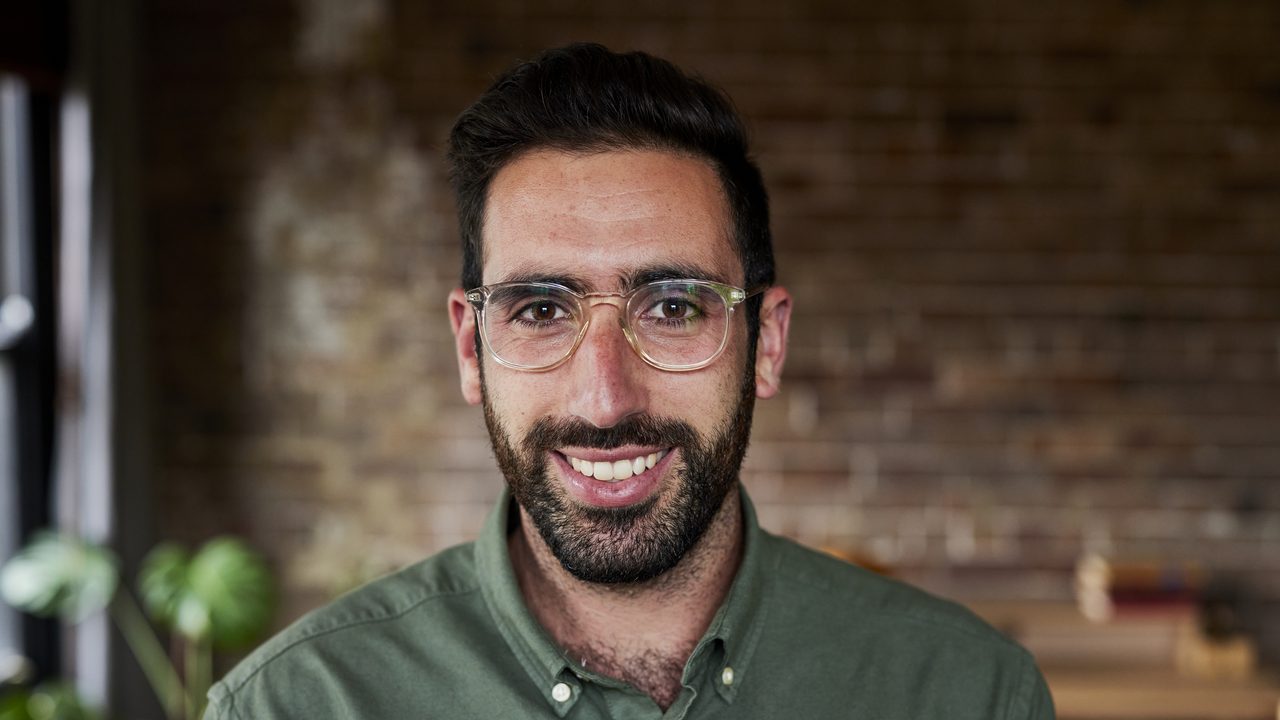
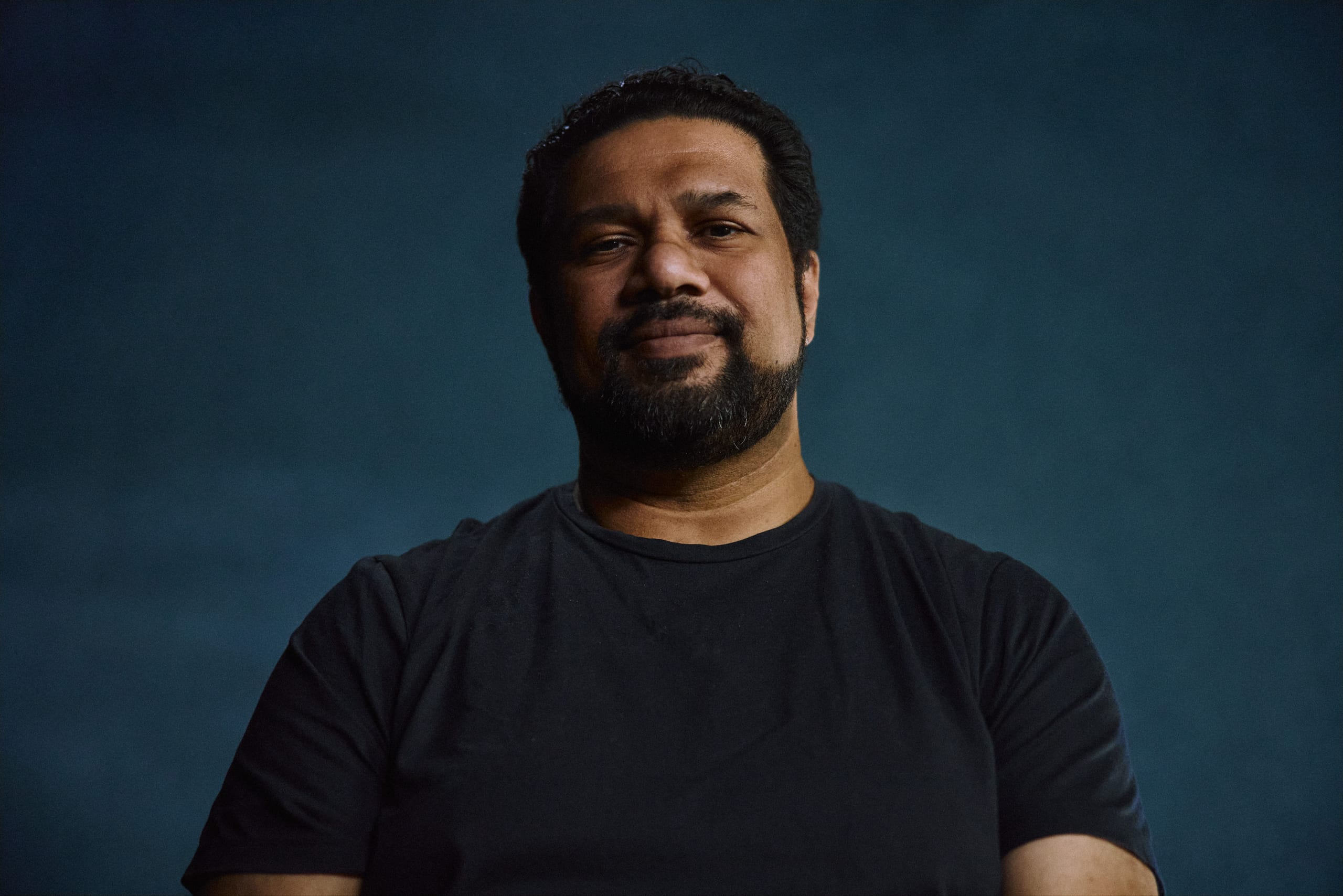
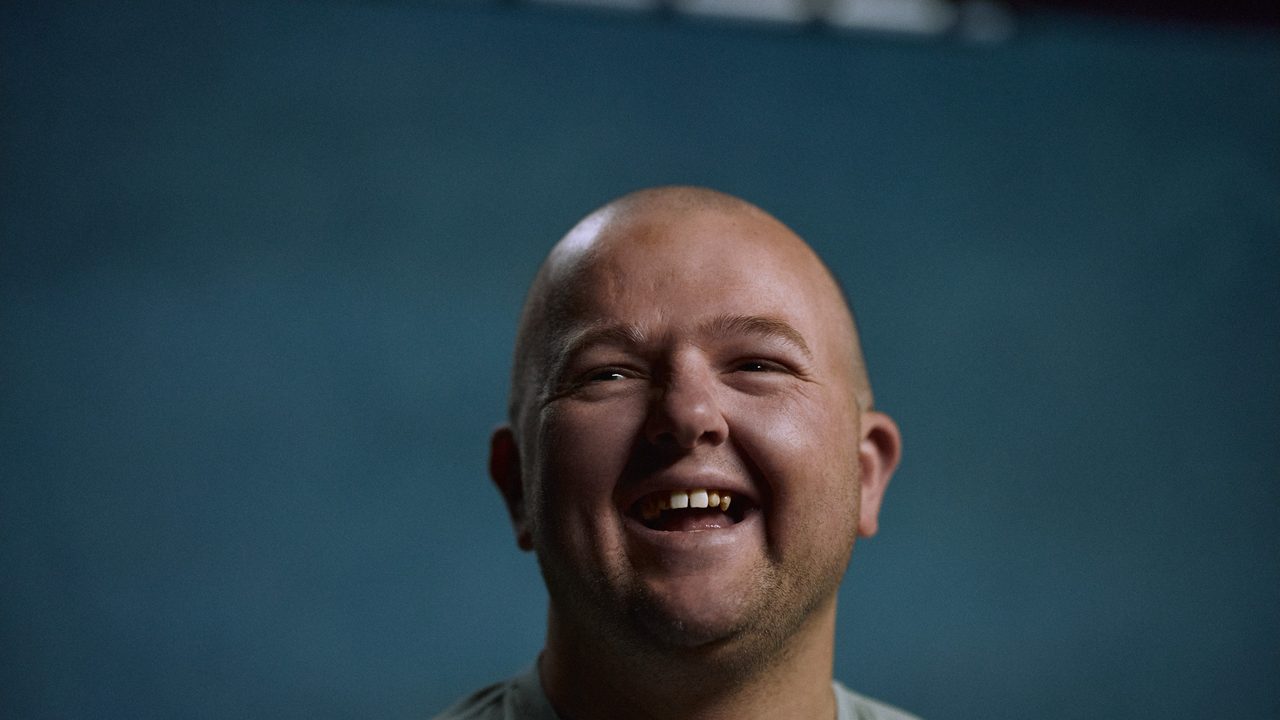
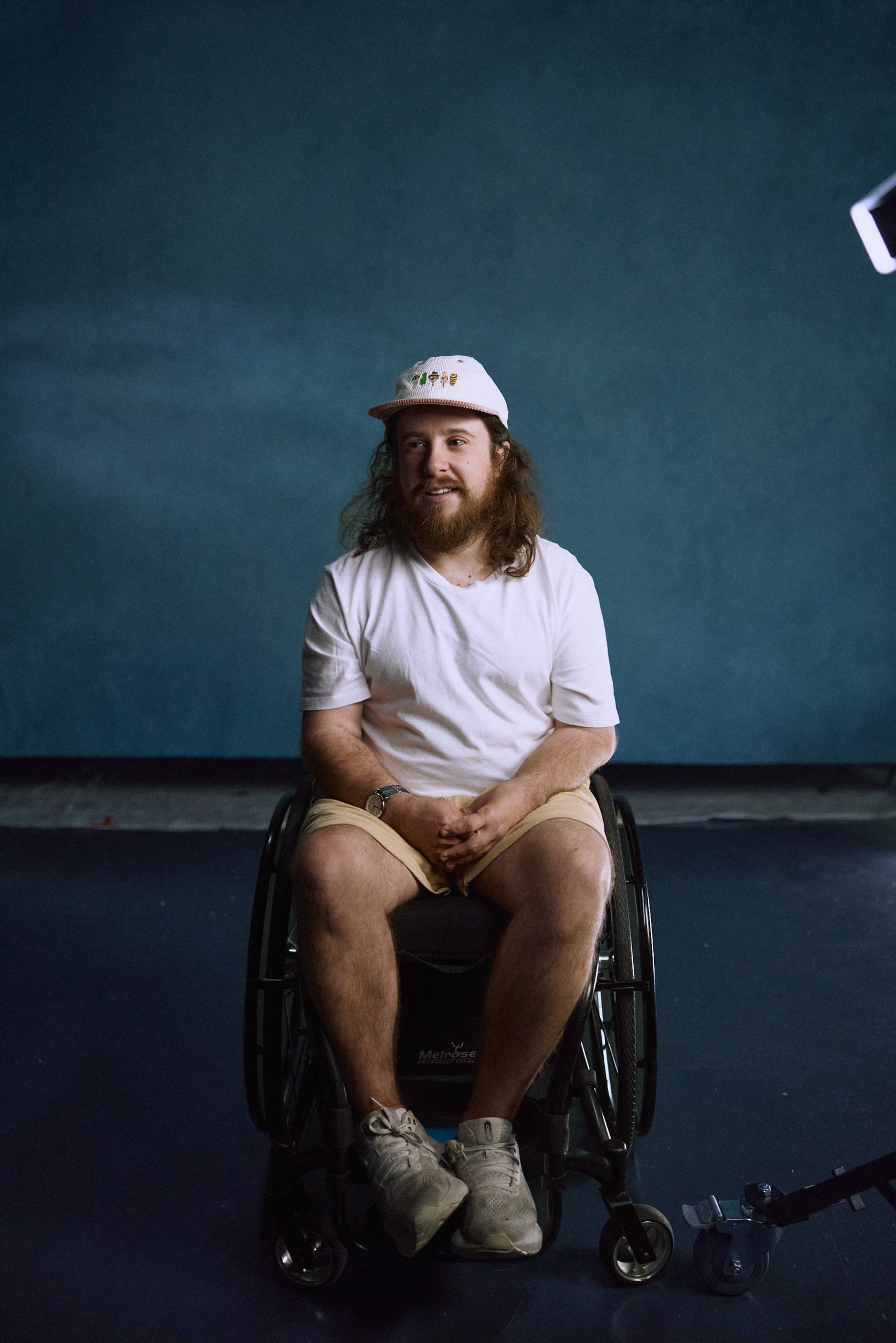
Men in Mind is an online training program built to help primary care professionals get the most out of every interaction with a male patient.
Part of Movember's work to change the face of men’s health, the course draws on leading research, the lived experience of men and primary care knowledge to unpack how masculinity shapes the way men seek help, communicate and engage in care.
The course is the first of its kind worldwide.
Part 2: Meet him where he's at
Part 2: Meet him where he's at
Part 1 was about what men carry into healthcare.Part 2 is about what you do once he's in front of you.
Your counter is often the easiest door a man will walk through. But walking up isn't the same as opening up. The same masculinities that made asking for help feel like failing don't switch off once he's there. They shape what he says, what he holds back, and whether he comes back at all.
So the backpack is right there at the counter with you. You don't have to carry it for him, but the way you respond can help him unload a brick or two.
Part 2: Meet him where he's at
Hear from the experts
Hear from some of the experts about practical ways they adapt their approach when working with men.
Click to watch
James Georgiou
The way that you ask the question, the way you're talking, the words that you use, the ability to gauge their understanding is everything.
Brad Butt
Don't be scared to have conversations that might feel awkward or uncomfortable. Practice, practice, practice, and try and make a real difference because it's not that tricky.
James Georgiou
I can just own it and say, "Yeah, no worries. If I didn't work in a pharmacy, I wouldn't know how to put a prescription in either."
Anna Georgiou
Even when you're dispensing that script, putting in their patient notes, Mr. Blah, blah, blah likes playing golf on the weekends. Even something like that that you can go like, "Oh, how was your golf?" And having them open up that way, giving them something to talk about, and then that gives you a really good segue into talking about their health and having them open up to you a bit more.
Brad Butt
"While I've got you, I've got two minutes. Come and I'll check your blood pressure." And it's a conversation starter. "I've got a quiet space. I've got 10 minutes. Why don't we just have a quick chat? Come on, let's go."
James Georgiou
Straight away, trying to talk to them in a way that is like, "No, mate, we're just friends. Let's get this sorted. What do you need? I'm happy to help."
Anna Georgiou
You have to change things in the way you speak to people to come to their level and what they're used to speaking like. Give them written information, highlight the important bits, just in layman's terms.
Brad Butt
Sometimes it's just about having that magical interaction with one person where it penny drop moment, "Yeah, actually, I feel more comfortable and this is all starting to make sense."
James Georgiou
You can see the cogs begin to turn, understanding their health and the reasons why these things are happening.
2.1: Ask, don't assume
2.1 Ask, don't assume
What he tells you is usually only part of it.
What a man learned growing up shapes how he reads his symptoms, what he says out loud and whether he comes back. What he tells you is usually only part of it.
So stay curious, especially with someone you don't know. Notice the conclusion you've already reached and hold off on it until he's told you more.
When working with male patients, two assumptions are worth catching.
1. Don't assume "fine" means fine
Minimising isn't the same as being okay. It's a presentation style, built over years of being told that showing weakness costs you.
When a man's answers shut down fast, or "I'm fine" sits next to something that doesn't look fine, that's your cue to ask one more question. You won't always have long. Two moves work even in a short exchange.
Tips
›
Use his own words. Echo his language back. It shows you've listened, and it's softer than "Are you sure you're okay?"
You said you're managing — what does managing look like for you at the moment?
You said you're 'feeling flat'. What does 'feeling flat' look like on its worst days?
Tips
›
Quantify before you qualify. A number is easier to give than a feeling. It gives him a clear task that doesn't need the emotional words, and can be an easy way to hear how bad things really are from a man who's played it down.
On a scale of one to ten, how bad has it been at its worst?
I hear you that it's not a big deal. Just so I've got the full picture — what would have to change for it to become a big deal?
Macdonald and colleagues (2022) prepared a literature review for the Australian Government Department of Health and Aged Care on men's and boys' barriers to health system access. Problem minimisation, the need for self-reliance, and stoicism or emotional control emerged as the most consistent individual-level barriers men bring into clinical encounters, with symptom minimisation in particular shaping not just what men disclose but whether what they disclose is acted on. Access the paper here.
Markowitz (2022) used natural language processing to analyse 1.8 million caregiver notes (502 million words) from a large US hospital. Consistent with non-linguistic evidence of bias in medicine, physicians focused more on the emotions of women compared to men and focused more on the scientific and bodily diagnoses of men compared to women. This pattern held regardless of the clinician's own gender. Access the paper here.
2.1 Ask, don't assume
2. Don't assume it's the whole story
Most men reach your counter with a physical request: something for sleep, fatigue, pain, erectile dysfunction. Treat the request as the way in, not the destination.
For many men with depression or anxiety, the body is the safest way in. Physical symptoms feel real in a way emotional distress doesn't, and they're often the only language he has for it.
This isn't always avoidance. Many men have never learned the words for what they're feeling. Clinically that's called alexithymia, or male normative alexithymia: difficulty putting feelings into words, shaped by a lifetime of being told not to.
So when a man asks for something for fatigue, poor sleep, headaches or low libido, the physical symptom may be the truest account he can give. Stay with it, get specific and let the rest come through.
Tips
›
Start with the body, then widen out. Begin with the physical symptom he's named. Get more specific about it. Then open it up. The physical symptom is the way in, but you have to go through it before he'll follow you anywhere else.
›
Offer the vocabulary, don't demand it. Asking "how does that make you feel?" may fail not because he won't answer but because he genuinely can't. Instead of asking him to come up with the word, offer it: "That sounds exhausting," or "That must have been frustrating." He can then agree, change it, or correct you.
You mentioned you've been exhausted. What does that feel like day to day? Has anything else changed?
When you notice that tightness in your chest, what's usually going on around you at the time?
How's your sleep been? Your mood?
That sounds exhausting — is that how it feels?
Simons and colleagues (2025) analysed 10 years of Victorian data linking 6,423 people who died by suicide to their emergency department attendances in the year before death. Among the 2,779 who had attended the emergency department, 40% presented only with physical complaints; no mental-health flag, no flagged distress. The most common presentation was upper limb injury, most coded as "non-intentional harm." The decedents who presented this way were more likely to be older, male, and from regional areas. The paper makes the case for opportunistic engagement and screening at every clinical contact, not just those tagged as mental health. Access the paper here.
da Silva (2021) provides a clinical overview of alexithymia, the difficulty identifying and putting emotional experiences into words, alongside intervention guidelines for working with alexithymic clients. Particularly useful for understanding how to respond when a man arrives with somatic complaints as the only available language for distress, and how to help him build emotional vocabulary over time without demanding it. Access the paper here.
2.2: The MALE framework
2.2 The MALE framework
The MALE framework brings what works with men into four practices you can draw on individually or together. It's not a sequence, it's a toolkit.
Engagement with men gets far less attention than dispensing medication, even though you're making those calls at the counter every day. MALE gives you a way to do it on purpose, and shows which moves have the most impact with men.
Watch Dr Zac Seidler walk through the framework.
Watch Dr Zac Seidler walk through the framework.
Click to watch
Dr Zac Seidler
The good news is that the bricks in a man's backpack aren't just barriers.
Those same expectations — things like strength, responsibility, independence or loyalty — can also be powerful motivators.
That's why we use bricks as the metaphor.
Because while bricks can weigh someone down, they can also build something.
When we recognise the bricks men may be carrying, it can change the way we approach the interaction.
Even in short conversations, small shifts can make a real difference.
So how do we do that in practice?
That's where the MALE framework comes in.
These aren't new or specialised skills. They reflect the core elements of good healthcare interactions that most of us use every day with the men we see. What the MALE framework does is highlight the specific aspects of these interactions that tend to matter most when working with men.
Make a connection. Agree on a path. Land a message. Ease him into the next step.
It's not a rigid set of steps and it's not a linear process. Think of it as a set of evidence-based practices you can draw on and emphasise, depending on the situation and the time you have. Each one works with the grain of how men engage, turning what men bring to the room into an asset rather than an obstacle.
Even small adjustments within these familiar parts of an interaction can make a meaningful difference in how men engage with care.
Tap each card to reveal what it stands for.
MTap to reveal
Make a connection
ATap to reveal
Agree on a path
LTap to reveal
Land a message
ETap to reveal
Ease him into the next step
Ready? Let's start with M: Make a connection.
Seidler et al. (2024) conducted a scoping review of 97 studies on gender-responsive approaches to engaging men in primary healthcare. Across counselling, general practice, nursing, pharmacy and social work, 33 distinct approaches converged on a core set of practices: building trust early, using collaborative and strengths-based framing, adapting communication to men's language, and providing a clear rationale for treatment. Access the paper here.
2.3: M — Make a connection
2.3 M — Make a connection
Many men who make contact with the healthcare system are being lost.
Two in three Australian men report gender stereotypes have affected their health behaviours and experiences in healthcare settings (Movember, 2024).
67% of Australian men have either left a healthcare practitioner or wanted to, mostly because they didn't feel a personal connection (Movember, 2024).
Connection is what brings men back. A man who walks away feeling the health system isn't built for him, that he isn't understood as a man, or that he had to translate himself to be heard, is less likely to come back when he needs to.
"You're not treated as delicately, I guess. You're a tough guy. You can deal with it."
Evan, 52 years
Seidler et al. (2025) ran focus groups with 32 Australian men about what works and what doesn't in their healthcare encounters. The strongest finding: the desire to be cared for with warmth. Access the paper here.
Practical tools
Make a connection
Men can tell within moments whether a practitioner is genuinely curious or just moving through a process. The first moments are for undivided attention — warm acknowledgement, eye contact, open posture. At the counter, that might be ten seconds. In the consult room, a minute. A genuine "good to see you again, how've you been?" at the counter does as much for the relationship as a polished consult-room conversation a man may never come back for.
Leone and colleagues reviewed practical strategies for engaging men in primary care. Attentive, empathic communication, including physical orientation toward the patient, was consistently associated with better engagement outcomes. Access the paper here.
A health concern often won't come out at a busy, public counter, with people within earshot and a queue behind him. Some privacy is the precondition for everything else. If you have a consult room, offer it yourself, because many men don't know it's there or what it's for, and let him take it without having to give a reason. Not every pharmacy has one. If yours doesn't, create a sense of privacy another way: step aside, drop your voice, move him away from the queue. Either way, give him somewhere the conversation feels like it's just between the two of you.
Can we step over here for a sec?
This is a new medication, I'll take you through it properly. Come with me?
This is between us, I just want to make sure you're getting the right support.
Pollard (2026) surveyed 1,675 UK adults and 250 pharmacists for the Men's Health Forum, with focus groups of men. More than one in five men (21.92%) won't discuss health in a public retail space, and a private conversation is among the top things that would change that (24.02%). Men said the rooms that exist go unadvertised, and being asked to justify wanting one puts them off. Offering the space as routine and with no questions asked can remove a barrier to access. Access the report here.
For men who lean more strongly on traditional masculinities, showing up can feel like a small defeat. By the time he's at your counter, he's often already cleared a significant internal barrier. Naming that effort, even in a sentence, makes it easier for him to keep talking. Low risk. High return.
The fact you've come in to ask about this says something. What's been going on?
I know it's not always easy to bring this up. I'm glad you came in.
You've done the hard part by getting in. Let's see what we can do.
Make asking for help sound sensible and common. Treat it as routine, something you raise with men all the time, so it feels like a normal part of the visit.
How you ask does the same job. Plain, direct questions work better than careful ones, and talking plainly about the medication or the side effect keeps it ordinary. If you talk around it, he'll think it's something to be embarrassed about.
Normally, for men on this medication, I see a lot of X. Is that something you've noticed?
You're not the first person through that door with this, it's more common than you'd think.
I need to ask everyone some routine questions.
How are you going on these? Some men notice a drop in sex drive or trouble getting an erection, has that happened?
Assessment activity · Meet him where he's at
Watch this short video — M: Make a connection — and then answer the questions that follow.
Click to watch
Brad
I was already feeling vulnerable. I was feeling weak because of that vulnerability. And I was going to a stranger where I had to ask for help.
Kenneth
Why am I scared to go to the doctor? Not scared about what I'm going to find out about my health. I don't want to talk to this guy because I feel like he's going to yell at me.
David
You're already exhausted, and when you go along and you don't connect, I think a lot of us just say, "It doesn't work, this stuff."
Cooper
I sat down, I burst into tears, and I said, "I'm not coping." And she goes, "That's fine. That's completely normal. Let's get you sorted."
James
I really think about just how curious he was, and that really helped me just be like, oh, he really cares about me and how I'm going and how I'm feeling.
William
Building up that kind of rapport really helped me feel comfortable in sharing those kind of smaller problems and those more intimate problems that I didn't feel confident previously being able to share.
Andrei
I would like to think that they've got an interest in your complete recovery, not just their component of it.
Kenneth
If a patient feels like you care, the outcome's going to be much better. They're going to try a lot harder as well.
Kenneth says: "If a patient feels like you care, the outcome's going to be much better. They're going to try a lot harder as well." What does this tell us about making a connection?
Spot on. Connection isn't just being nice. When a man feels you care, he engages more, follows your advice and comes back. That's real, and it's already in your hands.
Hmmm, not quite. The men describe connection as the thing everything else rests on: whether he comes back, takes his medication, follows your advice. Listen again to Kenneth and Andrei.
Assessment activity · Meet him where he's at
Spot the technique
2.4: A — Agree on a path
2.4 A — Agree on a path
A — Agree on a path
Many men see themselves through self-reliance and being in charge of their own life. When healthcare feels like something done to them, not with them, those instincts kick in as resistance. Resistance shows up as disengagement. Men who feel shut down when they ask questions, or who receive a management plan without being genuinely involved in it, are less likely to come back (Seidler et al., 2025).
Practical tools
Agree on a path
Say the collaboration out loud, rather than hoping he'll pick up on it. Make it clear he has a role in the decision. Start from what he wants to achieve rather than asking him to comment on a finished plan.
I'm going to tell you what I think and why, and then I want to know what works for you.
You're the expert on your own life. I'm the expert in medicine. We need both.
Seidler et al. (2025) conducted focus groups with 32 Australian men aged 18–70 on what helps and hinders engagement with healthcare. Participants who felt shut down when asking questions, or who received a management plan without genuine involvement in its construction, described being treated like a customer rather than a person. Empowerment, being involved in decisions and given transparency around the rationale for treatment, was central to whether men felt the encounter was worth returning to. Access the paper here.
Provide the rationale behind treatment decisions. Transparency doesn't require long explanations. It means naming the logic:
Here's what I think is going on, and here's why I think that.
We don't have the full picture yet, but this is what the test will tell us and why it matters.
I want to be straight with you — I'm not sure but here's what we can do to find out.
This isn't going to be resolved overnight. Here's roughly what that looks like.
Seidler et al. (2021a) surveyed 1,907 Australian men about mental health services. Overall, 44.8% had dropped out of therapy without telling their practitioner. Of those, 20.2% pointed to a sense that therapy lacked progress as a reason. Naming the logic behind treatment decisions makes progress visible, and visible progress keeps men in care. Access the paper here.
Offer the path as a choice, even when the direction is clear to you. Be ready to actually change the plan too. If nothing shifts when he raises a concern, the invitation to participate in the choice wasn't real. Men notice.
I've got a recommendation, but I want to hear what works for you before we decide anything.
There are a couple of ways we could approach this. Here's what I'd lean toward and why, but you know your situation better than I do.
Where do you think we should start?
What would make coming back easier for you?
Haraldsson et al. (2024) interviewed adolescent males about their experiences of GP consultations. Young men who felt their perspective wasn't genuinely heard described having "exposed themselves in vain", a powerful deterrent to future engagement. The finding illustrates the cost of performative collaboration: the invitation to participate has to be real, or it actively damages the relationship. Access the paper here.
A — Agree on a path
Watch this short video — A: Agree on a path.
Click to watch
Brad
Having a sense of self-agency when making health decisions is critical. My sense of masculinity means I want to retain strength and resilience.
William
Often, I found that I was never given options, like, "Okay, here's the treatment, here's what you do. Come back in six weeks." I think when I haven't had that kind of open relationship, it becomes really tricky to question that and work out what to do next.
Andrei
You have to be part of the solution. Your health needs to be tailored to you. But in order for that to occur, they need to allow you to do that.
Azhaan
He was just super respectful about it. I think what's interesting is he was okay with me not taking it. He was like, "Oh, if you don't want to take it, that's completely fine." And hearing that from him made me feel like, oh, no, maybe I can take it. The fact that he was giving me that agency made it feel like I'm picking this option. It's not something that's being forced on me. I'm going to change because I want to change, and that goes really far.
Kai
She talks me through all of the options available, the pros and cons of each of the options. It's important because I'm able to stay conscious of the decisions that I'm making.
Andrei
She'll often say, "Well, what do you think?" She's happy to hear my perspective, happy to hear my thoughts on what the options are.
David
Having a doctor that was willing to partner with me, not dictate to me, created that sense of empowerment, that sense of control.
James
And what that meant was, is then I then kept going back to my GP so we could actually spend time trying to nut out what the best process is and how to go from there.
David
Getting a sense of agency, getting a sense of, "I'm doing this with the help of you people," as opposed to, "You're all going to drag me through it." I think it's everything.
2.5: L — Land a message
2.5 L — Land a message
L — Land a message
On top of all this, remember that he's likely to be flying blind. Stoicism and self-reliance make this riskier on both sides: he might not understand you, and if he doesn't, he's unlikely to say so. Landing a message means making sure it actually lands — pitched in language he can use, delivered with the care that lets him take it in.
Practical tools
Land a message
Metaphor is one of the better-tested techniques in counselling with men, especially when the topic is emotional or when a diagnosis touches on identity. Reach for metaphors from his own world — work, sport, mechanics. Metaphor gives him something to grip on to outside the clinical frame, in language that doesn't feel foreign.
Think of it like a check engine light — your body's flagging something, and we need to work out what's underneath it.
It's a bit like running a phone on 10% battery for too long. Everything still works, but it's not sustainable.
Genuchi et al. (2017) describe a clinical framework for using metaphors to help men engage with emotional content that traditional masculine norms would otherwise make difficult to discuss. Metaphors built around a man's own areas of interest (mechanics, sport, computing, engineering) provide a safer entry point into vulnerable territory, allowing men to encounter their emotions through familiar language without the experience feeling overly exposing. Access the paper here.
At the hard moments, handing over medication, a request he finds hard to make, or a man who's clearly struggling, the directness and rapport that opened the conversation can start to work against you.
The instinct to lighten things with a joke or a bit of banter can land as the opposite of what you intend: a signal that this isn't a space where the harder stuff is welcome. A joke meant to lighten a hard diagnosis can add to a man's shame and guilt rather than easing it. What lands instead is sensitivity, the thing men themselves ask for when they describe what works. For some men, this is the only place in their life they get that kind of care.
At those moments, slow down and stay with him.
I know that's a lot. Take a moment.
How are you actually doing with this?
Obst et al. (2023) conducted a mixed-methods study with Australian men diagnosed with male-factor infertility. Most participants reported their informational and emotional support needs were only somewhat, slightly or not at all met. Humour was often used at diagnosis in an attempt to be "male friendly", but instead amplified feelings of shame and guilt. One participant recalled being told, "Your nuts are stuffed," and described the moment as traumatic. Access the paper here.
Seidler et al. (2025) ran focus groups with 32 Australian men about what works and what doesn't in their healthcare encounters. The strongest finding: the desire to be cared for with warmth. Access the paper here.
Plain, direct questions break the ice faster than careful ones. Ask what you want to ask, with respect, and the awkwardness drops on both sides. If you're awkward about it, he'll be too.
For many men, a clinical encounter already feels like standing in front of someone with a clipboard, being measured.
Self-reliance says he should have handled this himself.
Stoicism says he shouldn't need this much.
Status says falling short in front of someone in authority is a kind of exposure.
By the time he sits down, he's already braced for a list of things he's failed at. When the appointment feels like a performance review, it brings back the same reasons that kept him out of the room in the first place.
The shift is small: name what's working before naming what isn't. The clinical content doesn't change, but the tone does, and so does what he hears.
Those numbers are heading in the right direction. Let's work on getting them down a bit further. What do you reckon?
You stuck with the medication for three months — that's a solid run. What got in the way after that?
You got yourself back in. That's the hard bit done. Let's look at what's changed since last time.
Blundo et al. (2014) described the core tenets of strengths-based approaches with male clients: viewing the man as the expert in his own life, as more than his presenting problem, and taking a future focus centred on what he hopes to get from care.
Macdonald et al. (2022), in a literature review for the Australian National Men's Health Strategy, found that practitioners framing masculinity within a deficit model were consistently less effective at engaging men than those taking a strengths-based approach. Access the paper here.
L — Land a message
Watch this short video — L: Land a message.
Click to watch
Kenneth
I'm a pretty well-read person, but I find out things today about my health that no one ever told me. And it's not until you ask the question that you ever get anything close to an answer.
Cooper
Having your doctor who takes the time to inform you is something that I think sets you up for success.
Andrei
The best thing they can do is to talk you through that and say, "Look, you've got this. I believe that your condition is X."
Brad
Give me an example of that. I found that was a really great tool the doctor used. That helped her to understand my situation better, and it helped me to explain more, and we both got a better understanding of each other.
Cooper
She'd go, "I'm going to put you on a new prescription. Here's an info sheet on side effects that you should look out for — things that, if you find any worries, here's what you should look for."
Brad
It's also taking the time to understand the system — the difference between Medicare, what's available, what's not, what's chargeable, what's bulk billed, the difference between a healthcare plan for mental health or a chronic condition.
Andrei
It takes a bit to learn that.
David
Really sharp guy, but he doesn't show it. He just talks through things. But he treats you as a genuine partner and explains things — the drugs, and why are we doing this and doing that.
Kenneth
It's getting a sense of who the patient is to then understand: does this person understand what I'm telling them, and what do they need to know?
2.6: E — Ease him into the next step
2.6 E — Ease him into the next step
E — Ease him into the next step
Self-reliance and the need for control mean many men respond badly to feeling overwhelmed or managed. But many also don't have the skills to navigate the health system once they leave the room. Easing the next step is about keeping his sense of control while making the ask small enough that the system itself doesn't get in the way.
Practical tools
Ease him into the next step
Make the next step clear, doable and singular. When a man has finally crossed the line of asking for help there's real momentum to do something. But loading that motivation with five lifestyle changes, a GP referral, and a new medication regime risks losing all of it. A man who commits to one clear action keeps his sense of control. A man handed an overwhelming plan often quietly drops the lot.
Let's just start with one thing. Can you take this with food tonight and we'll see how you go?
I'm not asking you to commit to anything long-term. Just give it a week and pop back in so we can check how it's working.
For referrals: "I'm not suggesting a long course of anything. Just one conversation with your GP to see if it's worth looking into."
Men tend to manage themselves until they can't, then expect it sorted quickly. Two things keep him engaged: be honest that it won't be a quick fix and give him a clear next step he can act on. What he needs is to know exactly what happens next, even when you don't have the full answer yet.
This isn't going to fix it overnight, but here's what we're doing right now.
I can't give you all the answers today, but I can tell you exactly what the next move is.
Give it [timeframe] to start working. If it's not better by then, come back and we'll look at other options.
Smith et al. (2008) interviewed 36 Australian men to identify the qualities they most valued when communicating with GPs. Five consistently emerged: a frank approach, demonstrable competence, thoughtful use of humour, empathy, and prompt resolution of health issues. Men described typically managing themselves until they couldn't, then expecting clear direction once they sought help. Access the paper here.
Set up the next contact before he leaves. A scheduled call-back, booked appointment or flagged date for his next script is more effective than asking him to come back when he can. Masculine norms make it hard to re-initiate help-seeking so the default pattern after an interaction is inertia, not action. Following up is how you keep him coming back.
I'm going to give you a call in two weeks to check in — you don't need to do anything, I'll reach out.
We should have your blood work back by then, so we can take a look and figure out a plan of attack.
Let's book another catch-up now so it's in place — you can always change it if things improve.
Assessment activity · Meet him where he's at
Watch this short video — E: Ease him into the next step — and then answer the questions that follow.
Click to watch
Kai
She makes sure that I have the supports there, and if I feel like I don't, she books in another appointment with me so that I can check in with her. It just feels so weird to be supported.
James
"We're going to work on some tools or work on some referrals so you can go and speak to the people you need to speak to about your mental health." In separate batches, as opposed to this blanket fire all strategy.
Kenneth
It's a two-way street. So they'll listen. They want to know what's going on. They tell you to do particular things — "Go and see this physio," or do whatever it might be. But then they want to know the outcome, and they seem to follow up the records as well.
William
She had this pamphlet of different medications and things like that, and we talked it over together. She's like, "Okay, come back. We'll assess how things are going." And it's made life a lot easier — you feel listened to, you feel heard, and you know that if anything ever comes up, there's that safety net and there's that safe space you can go to.
Kai
My GP said, "I look forward to seeing you in my next session." That made me feel like there was someone waiting for me.
James
It wasn't a whole starting the process again. It was like, "Yeah, we were up to that from last time. Here we are now."
Tom
He was firm on the fact that I wasn't leaving there without a clear plan of what was coming next and a referral or two. That felt like care for me for the first time in a long time, and it felt different — and I needed different to what I'd been experiencing. So, yeah, it was really important.
James describes his practitioner working through "tools and referrals in separate batches as opposed to this blanket fire all strategy." Why does this work?
Exactly. When a man finally asks for help there's real momentum to act. Pile five things on him and you can lose the lot. One clear step is something he'll actually do, and it keeps the door open.
Hmmm, not quite. Firing everything at once can swamp a man who's only just walked in. A few smaller steps, one at a time, protect the momentum he found by coming in at all.
James says of returning to his practitioner: "It wasn't a whole starting the process again. It was, yeah, we were up to that from last time. Here we are now." What does this tell us about return visits with men?
Exactly. The cost of coming back isn't just time, it's having to explain yourself all over again. When you pick up from last time, that cost almost disappears. Good notes do this even when he sees a different pharmacist.
Hmmm, not quite. It isn't about seeing the same pharmacist or handing him more paperwork. It's that he feels the place remembers him, which is what makes coming back worth it.
Starting with one small step is the usual advice. When should you not hold back?
Exactly. Starting small is for the man who's wavering, not a rule for everyone. If he's keen and ready to go all in, follow his lead. The skill is reading when the usual barriers are in the way and adjusting, not treating every man as fragile.
Hmmm, not quite. Hesitation, a sensitive topic or a lot of history are all reasons to keep the ask small. The time to not hold back is when he's motivated and ready for more, where slowing him down would only get in the way.
2.6 E — Ease him into the next step
Reflect on your practice.
Pause for a mo'
Review the MALE framework and reflect on your own practice. Identify three practical tools that would work well with your male patients and describe how you would apply them. How could these changes improve the safety, acceptability or effectiveness of the care you provide?
✓ Saved
Part 2 complete
You've reached the end of Part 2: Meet him where he's at.
You've explored a practical, evidence-based framework for engaging male patients at the counter and in the consult room, in ways that account for the specific barriers masculine norms create.
In Part 2, you covered:
2.1 Ask, don't assume — don't assume "fine" means fine, and don't assume it's the whole story
2.2 The MALE framework — four practices you can draw on individually or together
2.3 M — Make a connection
2.4 A — Agree on a path
2.5 L — Land a message
2.6 E — Ease him into the next step
Coming up
Part 3: Behind the script — how men's distress can hide behind a request, and what you can do to reach the man behind it.
Additional resources
Tick the resources you'd like to keep, then email them to yourself. Anything you saved with the bookmark button as you moved through the module is already ticked for you.
Tip: save resources as you go using the bookmark button inside each "MOUSTACHES LOVE RESEARCH" panel.
Your reflections
Review everything you wrote during the module, and email or print a copy to keep for your own records.
✓
You have now completed this module. Click ‘Next’ in the bottom right hand corner to continue to the next module.
DEV ONLY
Internal reference
Version History
Current version: v2.21
Each entry represents one round of committed changes. Version 1.0 = go-live.
v2.2122 Sep 2026FeatureCurrent
The photographs fit their frames. Every video tile that shows a photograph of one person was enlarging it and cutting off the top and bottom of their face. They now sit in the frame exactly as they were taken.
Videos line up with the writing around them. On most screens the video sat narrower than the text and slightly to the right of it; it now fills the same column.
The same header and the same buttons in every part. Part 2 carried a smaller logo, no section name beside the progress bar, and its own button styling.
Quote screens are on black in every part, with the quotation marks easing in, and the Pause for a mo’ that sat on one of them has moved to the end of the screen before it.
A highlighted word now inks in purple. On the practical tools it was turning black against a dark photograph and disappearing.
The right expert on the right video. Videos introduced by one presenter show that presenter, and their transcripts name them.
Every man who is introduced by name now has his own photograph on the video tile, rather than the rotating set.
A tick replaces the circle on the “Just a starting point” note, and draws itself on as the screen arrives.
The crying-in-context screen is two panels, the copy beside the illustration, lined up with the Pause for a mo’ box below it.
The experts’ videos now look like the rest. Every video of a clinician or pharmacist opens on a photograph of them, with the caption on the same bar underneath that the men’s videos use.
A screen about one man shows that man. Where a video introduces someone by name, his own photograph fills the tile instead of the rotating set.
“View my reflections” is a button. In every Pause for a mo’ it now matches Save response instead of sitting beside it as a text link.
The quotation marks arrive and breathe. On every photograph that carries them they fade in and lift very slightly every few seconds.
The men’s stories now open on a photograph. Where a video of a man sharing his experience used to sit behind a plain black panel, it now moves through photographs of men from the Movember community, with the caption and the play button on a bar along the bottom so nothing covers a face.
A new look for the learning outcomes. The outcomes that open the course are numbered and set against a strip of portraits that changes as you read. The wording is exactly as it was.
The panels line up. Quote boxes, tip boxes and the practical tools used to sit at several different widths down the same page. They now share one.
Easier to read. TIP boxes and the feedback after a question are set at the same size as the rest of the body copy, and the “try saying” suggestions are bold and arrive one at a time.
A video slide that sat hard against the left edge is centred again. On the MALE framework screen in Part 2 the words and the video had drifted to one side of the page.
The grey band is gone from the expandable panels. Opening a “Moustaches love research” panel used to draw a shadow across the top of the text it revealed. Those panels, and the expandable stages, now sit flat inside their card the way the questions already did.
The Australian Government department has been renamed to the Department of Health, Disability and Ageing. Its logo is updated on the certificate.
A polish pass. The navigation screen now shows the real buttons, photographs and video boxes have a soft white edge, quotes that carry a source are set in the Men in Mind quote panel with its hand-drawn moustache, the expandable questions carry a moustache of their own, and several of the illustrations now move.
Straight into the content. The “How to navigate” and FAQ screens have been removed from this part — you have already seen them in Part 1, and they are still there if you want them.
Running the new RTL engine. Every control now has depth and lifts when you point at it, moving forward and back look different from each other, content rises in as you scroll, and video transcripts can follow the audio and be clicked to jump.
First build of MIM Pro v2. Version numbering restarts here, and this entry consolidates every v0.x change that came before it.
Everything you press now looks like it: the “Moustaches love research” panels, video tiles, the “Optional – click to respond” button, flip cards and answer options all carry the same shadow and lift.
A preview build, published to the test host only. Apart from the changes listed above, the course is exactly the live one.
Accessibility settings
Text sizeAdjust body text for easier reading
Full screenFill your whole screen with the module
Night modeDark background with light text
Reduced motionTurn down animations, moving backgrounds and transitions
Sound effectsPlay chimes when you complete a section
Keyboard shortcutsUse arrow keys and Space bar to navigate
Swipe navigationSwipe left or right to move between screens on touch devices